

Key Takeaways
Silent Hypertension
Silent hypertension - more commonly called high blood pressure - is a chronic condition in which the force of blood pushing against artery walls is consistently too high, yet causes no obvious physical symptoms. Most people with elevated blood pressure feel completely normal, which is why it's often called 'the silent killer.' Without regular monitoring, it can go undetected for years while quietly damaging organs.
Blood pressure is measured in millimeters of mercury (mmHg) and expressed as two numbers: systolic pressure (when the heart beats) over diastolic pressure (when the heart rests). Clinical guidelines generally define hypertension as a sustained reading at or above 130/80 mmHg, though thresholds can vary by guideline and clinical context.
Why 'No Symptoms' Doesn't Mean 'No Problem'
Most health problems announce themselves - pain, fatigue, visible changes. Hypertension, by contrast, operates silently. The cardiovascular system adapts to elevated pressure over time, which means the body rarely sends distress signals even as sustained pressure is gradually eroding arterial health. This biological silence is precisely what makes hypertension so consequential from a public health perspective.
Elevated blood pressure forces the heart to work harder with each beat and causes microscopic stress on artery walls. Over months and years, this leads to arterial stiffening, small tears in vessel linings, and the buildup of plaques - all of which increase the risk of serious cardiovascular events. None of these processes feel like anything at all.
When Symptoms Do Appear
A small number of people with severely elevated blood pressure - sometimes called a hypertensive crisis - may experience sudden severe headache, vision changes, chest pain, or shortness of breath. These are medical emergencies requiring immediate care. However, the vast majority of people with hypertension never experience these extreme readings and remain entirely symptom-free.
What's Happening Physiologically
Blood pressure reflects the interplay between how forcefully the heart pumps and how much resistance the blood vessels create. When arteries are narrowed or stiffened - whether from genetics, diet, inactivity, or aging - the heart must generate more force to push blood through. That extra force is chronically elevated blood pressure.
The kidneys play a particularly important role. They regulate fluid volume in the body and release hormones that influence blood vessel tone. When the kidneys are stressed by high pressure, a feedback loop can develop that keeps pressure elevated even when other risk factors are addressed. Similarly, the brain's blood vessels are especially vulnerable to pressure-related damage, which is why stroke risk rises substantially with untreated hypertension.
~1 in 3
Adults with hypertension unaware of their condition
The CDC estimates that roughly one in three adults with high blood pressure in the US are unaware they have it, underscoring the importance of routine screening.
116 million
US adults estimated to have hypertension
According to the American Heart Association, approximately 116 million adults in the United States meet the clinical threshold for hypertension.
~5 mmHg
Average systolic reduction from regular aerobic exercise
Multiple meta-analyses suggest that consistent moderate aerobic activity can reduce systolic blood pressure by around 5 mmHg on average in people with hypertension.
The Role of Monitoring and Lifestyle
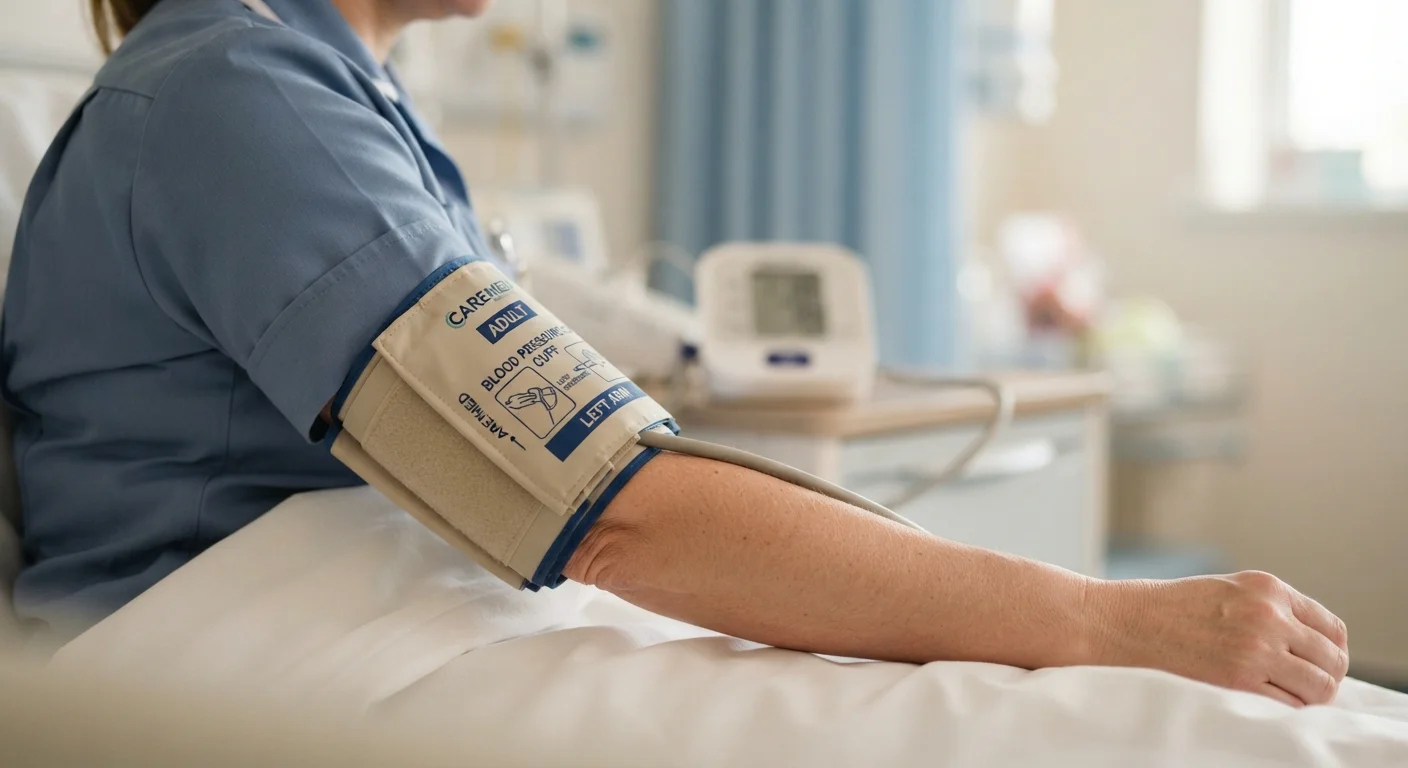
Because hypertension produces no reliable warning signs, routine blood pressure checks are the primary tool for detection. Home blood pressure monitors have made this more accessible, though proper technique matters - readings should be taken after five minutes of rest, with the arm supported at heart level. A single high reading doesn't confirm hypertension; consistent readings over multiple occasions do.
Physical activity is one of the most well-studied lifestyle factors influencing blood pressure. Regular moderate-intensity aerobic movement - the kind that fits into a sustainable weekly routine rather than extreme short-term efforts - has been shown to lower systolic blood pressure by a clinically meaningful amount in many individuals. Reducing sodium, maintaining a healthy body weight, limiting alcohol, and managing chronic stress are similarly supported by strong evidence.
Build Monitoring Into Your Routine
If you use a home blood pressure monitor, take readings at the same time each day - ideally in the morning before medication or coffee. Log your results over several days and share the record with your healthcare provider rather than relying on a single number. Consistent patterns tell a much more useful story than any individual reading.
This article is for general informational purposes only and does not constitute medical advice. If you have concerns about your blood pressure or cardiovascular health, please consult a qualified healthcare professional.