

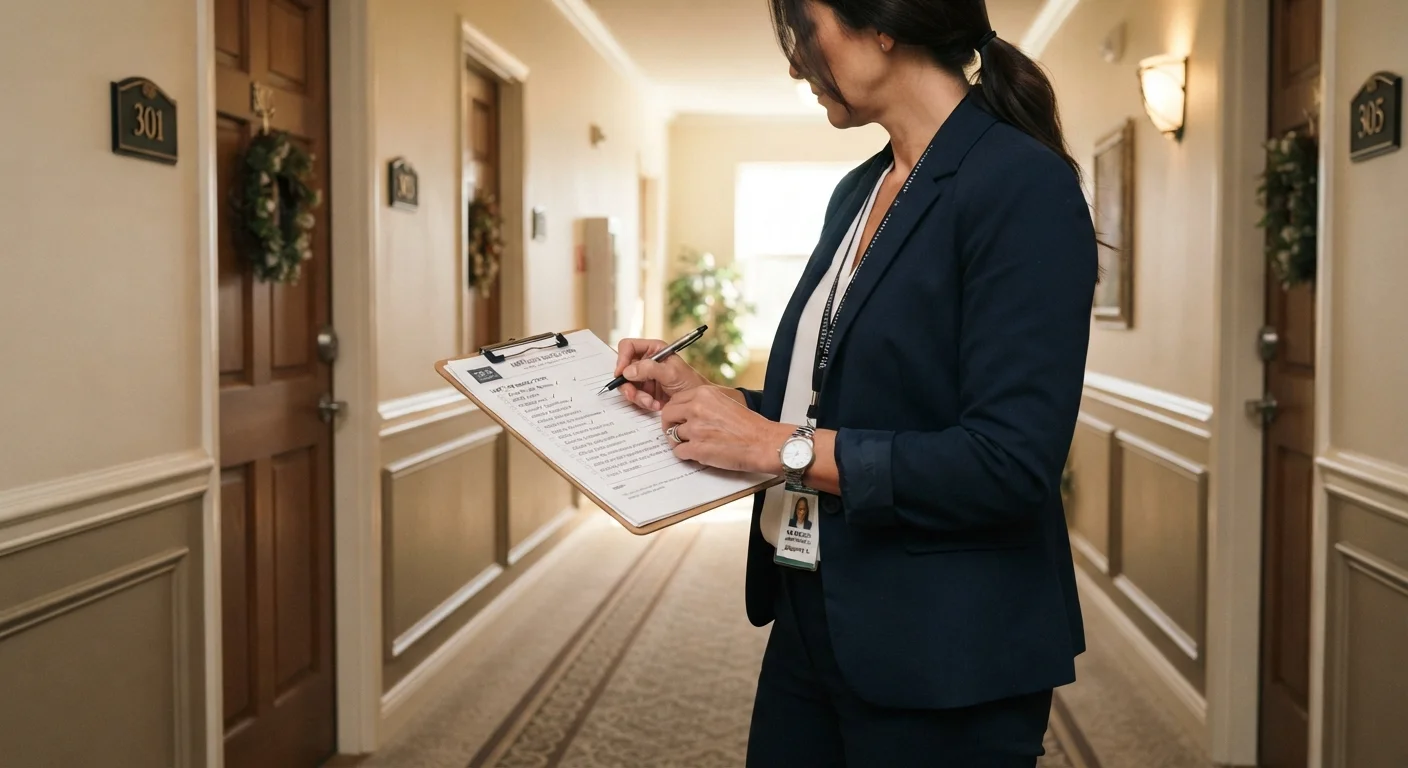
The Legal Baseline: Implied Warranty of Habitability
In nearly every U.S. state, landlords are bound by what's known as the implied warranty of habitability — a legal doctrine requiring that rental units remain safe and livable throughout the tenancy. This baseline exists regardless of what a lease says; even a signed agreement cannot waive these protections in most jurisdictions.
Habitability obligations generally require landlords to maintain:
- Functioning heating systems capable of maintaining an adequate indoor temperature
- Safe electrical wiring and sufficient outlets and lighting
- Plumbing that supplies hot and cold running water
- Structural soundness in floors, walls, ceilings, roofs, and stairways
- Working locks on exterior doors and windows
- Freedom from pest infestations (rodents, cockroaches, bed bugs)
- Absence of hazardous materials such as lead paint or active mold in conditions that pose health risks
Specific standards vary by state and sometimes by city. Readers should verify local codes with a housing authority or consult guidance on tenant rights for their jurisdiction.
What Landlords Are Required to Fix
Repairs that affect health, safety, or essential function fall squarely on the landlord — whether or not a lease spells it out explicitly. Common examples include:
- Heating and cooling failures that make the unit uninhabitable in extreme weather
- Water leaks and plumbing failures, including broken toilets, non-draining sewage, and burst pipes
- Electrical hazards such as exposed wiring, faulty breakers, or outlets that spark
- Broken exterior doors, locks, or windows that compromise security
- Pest infestations that existed before or arose through no fault of the tenant
- Roof leaks causing interior water damage or mold growth
- Common area maintenance in multi-unit buildings — hallways, stairwells, laundry rooms
Timelines matter. Many states require landlords to respond to emergency repairs (no heat in winter, sewage backup) within 24 hours and non-emergency habitability issues within a reasonable window — often 14 to 30 days. Leases may set additional timelines, but they cannot reduce state-mandated minimums.
Always Put Repair Requests in Writing
Verbal requests are difficult to prove in a dispute. Send repair requests by email or written notice and keep copies. Documenting the date, the problem, and any landlord response creates a timeline that protects tenants if the matter escalates to mediation, code enforcement, or court.
If you are unsure whether an issue crosses the habitability threshold, documenting it thoroughly is always the right first step. See our guidance on communicating with your landlord in writing to build a clear record.
What Landlords Are Not Required to Fix
Not every repair obligation falls on the landlord. Generally, tenants are responsible for:
- Damage they caused — holes in walls, broken fixtures, stained carpet beyond normal wear
- Cosmetic issues that do not affect habitability, such as scuffed paint, minor carpet wear, or small nail holes
- Appliances not included in the lease — if a refrigerator or dishwasher isn't listed as part of the rental, a landlord may have no obligation to repair it
- Personal preference upgrades — landlords are not required to replace working but dated fixtures, repaint on request, or upgrade appliances
- Minor maintenance items often expected of tenants, such as replacing light bulbs, unclogging basic drain blockages, or maintaining smoke detector batteries
Lease language matters here. A lease can assign specific maintenance duties to tenants (lawn care, filter changes), as long as those duties don't relieve the landlord of habitability obligations.
Understanding how security deposits relate to repairs is also essential — damage beyond normal wear can lead to deductions at move-out.
When a Landlord Doesn't Follow Through
A landlord's failure to make required repairs opens up several legal options for tenants, depending on the state:
- Repair-and-deduct: In eligible states, tenants can hire a professional to fix a habitability issue and deduct the cost from rent, up to a statutory cap.
- Rent withholding: Some states allow tenants to withhold rent (often deposited into escrow) until repairs are made.
- Rent reduction: Tenants may seek a rent reduction proportional to the diminished value of the unit.
- Reporting to code enforcement: Local housing or building inspectors can cite a landlord and require action.
- Breaking the lease: In severe cases — where a unit is declared uninhabitable — tenants may have legal grounds to terminate a lease without penalty.
Each option carries requirements and risks. Tenants who skip procedural steps (like written notice before withholding rent) can weaken their legal position. For a full breakdown of escalation options, see what renters can actually do when landlords won't repair.
Implied Warranty of Habitability
A legal doctrine, recognized in nearly all U.S. states, requiring landlords to maintain rental units in a safe and livable condition. It applies automatically and generally cannot be waived by lease language.
Normal Wear and Tear
Minor deterioration that naturally occurs from everyday use of a rental unit — such as light scuffs on walls or gradual carpet wear — which tenants are not financially responsible for.
Repair-and-Deduct
A legal remedy available in some states that allows a tenant to pay for a qualifying repair themselves and subtract the cost from rent, typically subject to a dollar cap and procedural requirements.
Code Enforcement
A local government function that inspects rental properties for compliance with housing codes and can issue citations or orders requiring landlords to address violations.
Rent Escrow
A process in some jurisdictions where a tenant deposits withheld rent into a court-supervised account during a repair dispute, demonstrating good faith while protecting the landlord's payment rights.
This article is for general informational purposes only and does not constitute legal advice. Landlord-tenant laws vary significantly by state and locality. Consult a qualified attorney or local tenant rights organization for guidance specific to your situation.