

Key Takeaways
Earnest Money Deposit
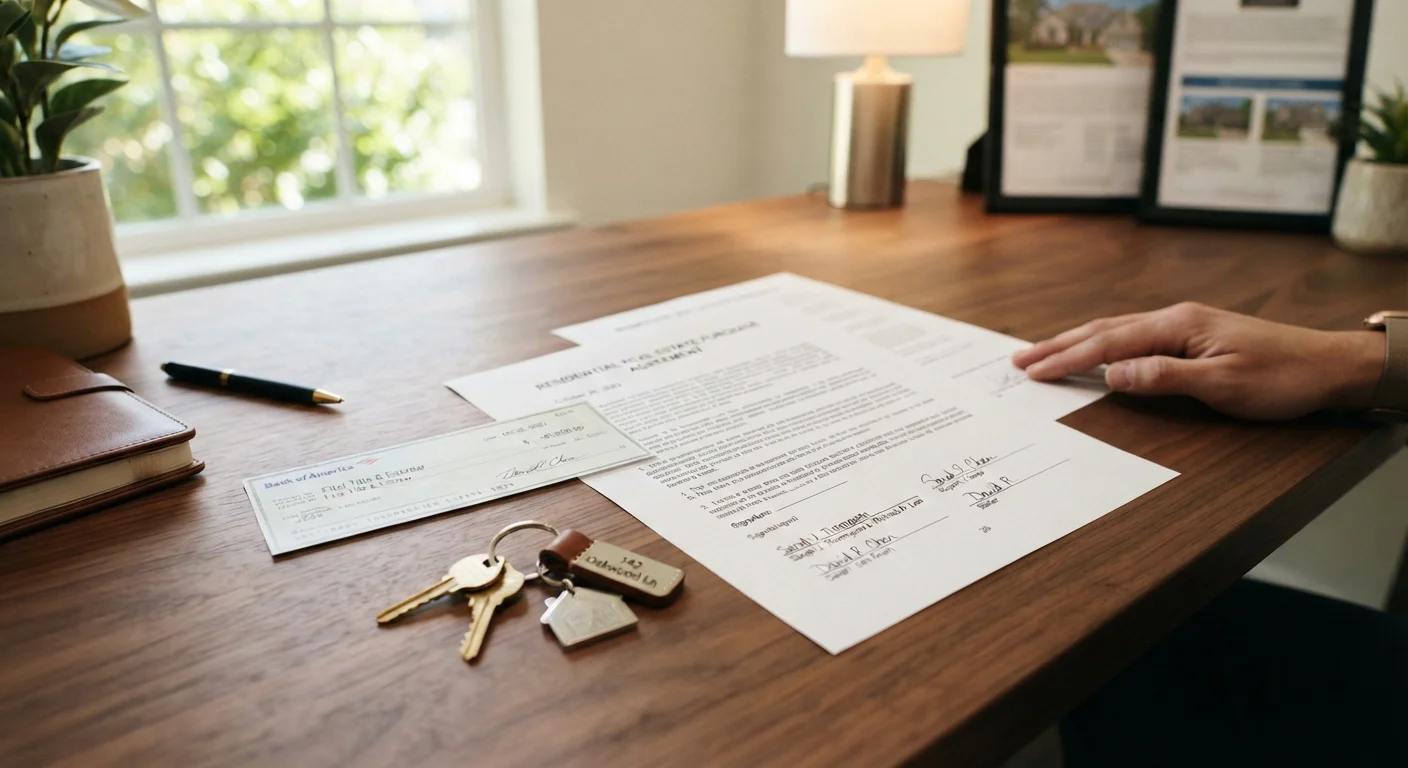
An earnest money deposit is a sum of money a buyer pays shortly after a seller accepts their offer on a home. It demonstrates the buyer's genuine commitment to completing the purchase. The funds are typically held in an escrow account by a neutral third party — such as a title company or escrow agent — until the transaction closes or falls apart.
Earnest money is credited toward the buyer's closing costs or down payment at settlement; it is not an additional fee on top of those amounts.
Why Earnest Money Exists
When a seller takes their home off the market after accepting an offer, they're making a significant financial commitment. If a buyer were free to walk away at any moment with no consequence, sellers would bear all the risk. Earnest money shifts some of that risk back to the buyer, signaling that the offer is serious and not speculative.
From the buyer's perspective, it's also a form of leverage. A deposit that is meaningful relative to the purchase price can make an offer stand out — particularly in markets where sellers are fielding multiple bids. Think of it as putting skin in the game.
Unlike a security deposit in a rental context, earnest money in a home purchase ultimately flows back to the buyer — either applied to closing costs at settlement or refunded if the deal falls apart under protected conditions.
How Much Is Typical — and How It's Determined
There is no universal fixed amount. In most U.S. markets, earnest money falls between 1% and 3% of the purchase price. On a $350,000 home, that means anywhere from $3,500 to $10,500. In high-demand urban markets or bidding-war situations, buyers sometimes offer 5% or more to make their offer more compelling.
1%–3%
Typical earnest money range in U.S. markets
This range represents standard practice across most U.S. markets, though the exact amount varies by region and negotiation.
1–3 days
Typical deadline to submit earnest money after offer acceptance
Most purchase agreements require earnest money to be delivered to escrow within one to three business days of an accepted offer.
The amount is negotiable and documented in the purchase agreement. Buyers should discuss the appropriate figure with their real estate agent, who can advise based on local norms and current market conditions. Offering too little may weaken an offer; offering more than necessary ties up cash that might be needed elsewhere before closing.
It's also worth understanding the relationship to your down payment. Earnest money is not an extra cost — it's credited toward the total funds due at closing. For more on how upfront funds work together, see our piece on common down payment misconceptions.
Contingencies: The Buyer's Primary Protection
Contingencies are contractual conditions that must be met for the sale to proceed. If a contingency is not satisfied, the buyer can exit the deal and typically recover their earnest money in full. The three most common contingencies are:
- Financing contingency: If the buyer cannot secure a mortgage under the terms specified in the contract, they can walk away without penalty.
- Inspection contingency: If a home inspection reveals problems the buyer deems unacceptable — and the parties can't agree on repairs or price adjustments — the buyer may withdraw.
- Appraisal contingency: If the home appraises for less than the purchase price, the buyer can exit rather than pay more than the lender will finance.
Read Every Contingency Deadline Carefully
Contingency periods have firm expiration dates written into the purchase contract. If you need to invoke a contingency — such as to back out after an inspection — you must do so in writing before the deadline passes. Work with your agent to calendar these dates the moment your offer is accepted.
In competitive markets, some buyers waive one or more contingencies to make their offer more attractive. This strategy carries real financial risk — waiving an inspection contingency, for example, means the buyer assumes responsibility for any undisclosed defects, and waiving a financing contingency could put the deposit at risk if the loan falls through.
When You Can — and Can't — Get Your Deposit Back
The clearest path to recovering your earnest money is exiting the deal within a valid, properly invoked contingency window. Timing matters: most purchase contracts specify deadlines for each contingency. Missing those deadlines — even by a day — can eliminate your right to a refund.
Buyers who back out for reasons not covered by a contingency — such as simply changing their mind, finding a different property, or experiencing a personal financial change unrelated to the mortgage approval process — generally forfeit the deposit. The seller keeps it as compensation for the time the home was off the market.
Escrow Disputes Can Stall Both Parties
When a buyer and seller disagree about who is entitled to the earnest money, escrow holders are generally required to hold the funds until both parties agree in writing or a court directs otherwise. These disputes can last weeks or months and may involve legal fees. Clear, detailed contingency language in the purchase agreement is the best preventive measure.
Disputes over earnest money do arise, particularly in ambiguous situations. When that happens, escrow holders typically cannot release funds unilaterally — they require written agreement from both parties or a court order. These disputes can delay both parties significantly, which is why clearly drafted contingency language in the purchase agreement is so important.
If you're navigating a situation where funds are in dispute, consulting a licensed real estate attorney in your state is advisable. This article provides general educational information and is not a substitute for legal advice specific to your circumstances.