

Key Takeaways
Home Inspection
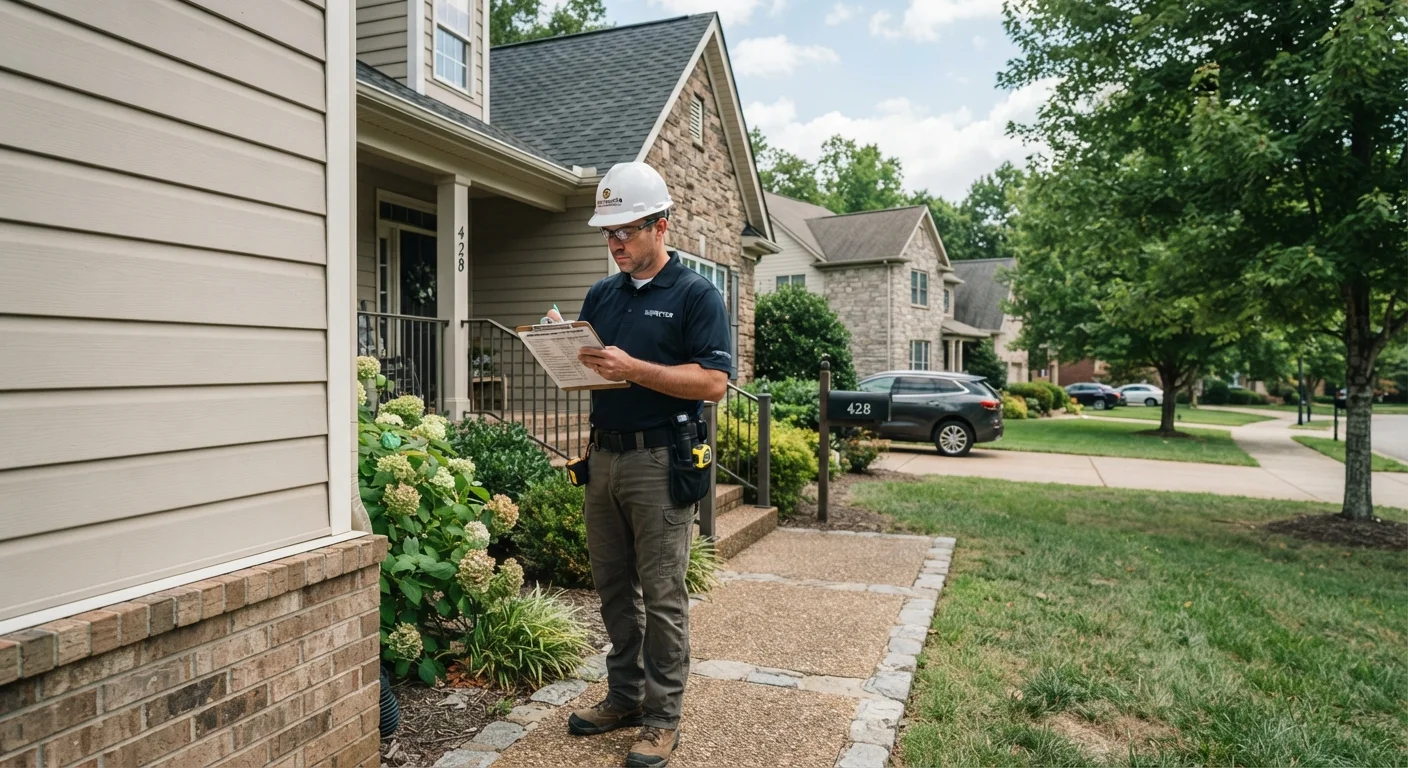
A home inspection is a visual, non-invasive examination of a property's major systems and structure, performed by a licensed professional before a sale closes. The inspector evaluates what is visible and accessible at the time of the visit, then delivers a written report detailing conditions and concerns. It is an objective snapshot of a home's condition — not a guarantee or a certification that everything is defect-free.
In most U.S. states, home inspectors must be licensed and follow standards of practice set by organizations such as ASHI (American Society of Home Inspectors) or InterNACHI, which define minimum scope and reporting requirements.
What a Standard Inspection Examines
A licensed home inspector evaluates the accessible, visible components of a property in a single visit. While scope varies by inspector and state standards, most inspections cover the following systems and elements:
- Structural components: Foundation, framing, floors, walls, ceilings, and roof structure
- Roofing: Condition of shingles or surface material, gutters, downspouts, flashing, and visible skylights
- Electrical system: Main panel, wiring types observed, outlets, switches, and GFCI protection
- Plumbing: Visible supply and drain lines, water heater, fixtures, and water pressure
- HVAC: Heating and cooling equipment operation, filters, ductwork, and ventilation
- Insulation and ventilation: Attic insulation levels and ventilation adequacy
- Windows and doors: Operation, sealing, and visible damage
- Interior finishes: Walls, ceilings, floors, and stairs for visible defects
- Exterior: Siding, grading, driveways, walkways, and visible drainage patterns
The inspector documents conditions with photos and written observations. The report classifies issues by severity — distinguishing safety hazards from deferred maintenance from normal wear. It is a snapshot of observable conditions on a specific day.
~86%
Buyers who order a home inspection
According to the National Association of Realtors' Profile of Home Buyers and Sellers, the vast majority of buyers choose to have a property inspected before closing.
$300–$500+
Typical cost of a standard home inspection
Cost varies by home size, age, and geographic market; larger or older homes and high-cost markets typically push costs higher.
2–4 hours
Average time for a residential inspection
Inspection duration scales with the size and complexity of the home; buyers are encouraged to attend the full walkthrough.
What Inspections Routinely Exclude
Understanding the gaps is just as important as knowing the coverage. A standard home inspection deliberately does not include:
- Concealed or inaccessible areas: Inside walls, under concrete slabs, beneath insulation, or behind personal property the seller has not moved
- Environmental hazards: Radon, mold, asbestos, lead paint, and underground oil tanks all require separate specialist testing
- Pest and wood-destroying organisms: Termite and WDO inspections are separate and often required by lenders but not part of a general inspection
- Septic systems and private wells: These require dedicated tests for functionality and water quality
- Swimming pools and hot tubs: Pool equipment and structural integrity typically require a pool specialist
- Chimneys and fireplaces beyond basic visual: A Level 2 chimney inspection requires a CSIA-certified inspector with a camera
- Underground utilities and drainage systems: Sewer scope inspections — where a camera is run through the main line — are separate and highly recommended for older homes
Order Specialist Inspections Strategically
For homes built before 1980, consider radon testing, an asbestos assessment, and a lead paint inspection as standard additions — not optional extras. For any home with a private sewer connection or older lateral lines, a sewer scope is worth the modest additional cost. Ask your inspector which add-ons they recommend based on what they observed.
These exclusions are not oversights. They reflect the limits of what one licensed professional can reasonably evaluate in a single non-destructive visit. Buyers should treat the standard inspection as the starting point, not the finish line.
Why the Gap Matters for Buyers
The mismatch between what buyers expect from an inspection and what it actually delivers is one of the most common sources of post-closing disputes. A buyer who assumes a clean report means a problem-free home may face significant repair bills after move-in.
Consider the inspection in the context of your overall due diligence process. Our due diligence checklist for home buyers outlines the additional steps — reviewing disclosures, researching permits, and ordering specialist inspections — that fill the gaps a standard inspection leaves behind.
The inspection contingency in your purchase contract is the mechanism that gives findings legal weight. As explained in our overview of contingencies in a purchase agreement, waiving this protection to compete in a tight market means accepting the property's condition as-is — with no recourse if problems surface later.
Your buyer's agent can help you prioritize which additional specialist inspections make sense for a given property's age, location, and condition. A 1960s home in a high-radon area warrants different supplemental testing than a 2005 build in a dry climate.
Inspector Reports Aren't Pass/Fail
A home inspection report does not declare a property 'good' or 'bad.' Every home — new or old — will have findings. What matters is the severity and cost implication of those findings. Work with your buyer's agent to interpret the report in context, and consult licensed contractors for repair estimates on major items before making decisions.