

Key Takeaways
Lease Agreement
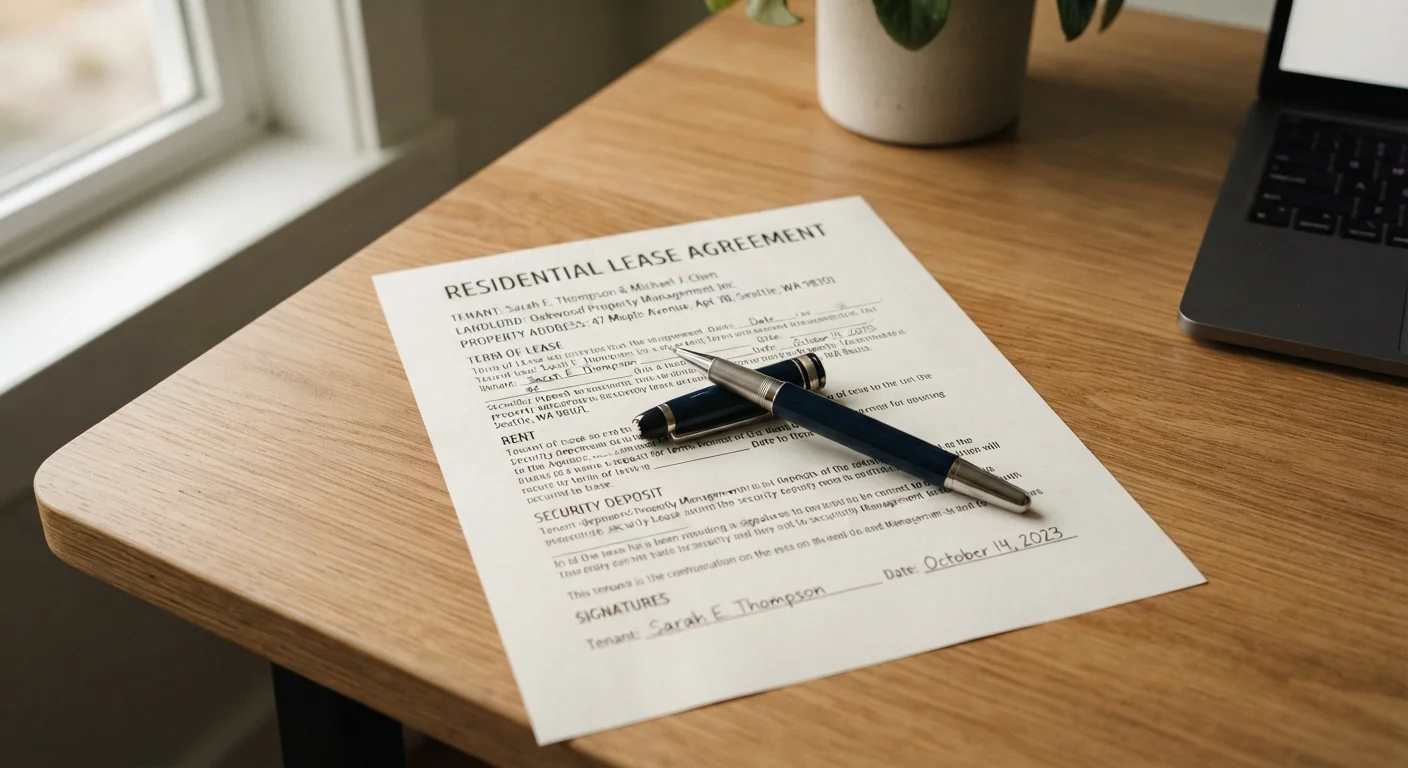
A lease agreement is a legally binding contract between a landlord and a tenant that outlines the terms under which a rental property is occupied. It specifies the rent amount, payment due dates, lease duration, and the rights and responsibilities of both parties. Once signed, both the landlord and tenant are bound by its terms for the duration of the lease period.
Lease agreements are governed by both state landlord-tenant law and local ordinances, which can override or supplement specific contract terms — meaning some clauses in your lease may be unenforceable depending on where you live.
Why Lease Language Matters More Than You Think
Most renters skim a lease, initial where indicated, and sign at the bottom. That approach can be costly. A lease isn't a formality — it's a contract that defines your financial obligations, your living rights, and what happens when something goes wrong. The legal language isn't there to confuse you; it's there because every clause carries weight.
Whether you're renting your first place or your fifth, understanding what you're agreeing to is the most practical thing you can do before handing over a deposit. For a broader look at what first-time renters frequently overlook, see what nobody tells you before you sign.
Document the Unit Before You Move In
Walk through the entire unit with your landlord or property manager before your move-in date. Take dated photos of every room, including existing damage, scuffs, or appliance issues. Share copies with the landlord in writing and keep your own. This documentation is your strongest protection if deposit deductions are disputed at move-out.
The Clauses That Most Directly Affect Your Daily Life
Leases follow a general structure, but the details vary significantly. These are the provisions that affect renters most often:
- Rent amount and due date: This seems obvious, but also check for grace periods, late fees (and their caps), and accepted payment methods. Some leases specify that a payment is late after a specific time on the due date, not just the calendar day.
- Security deposit terms: Look for the deposit amount, what it can be used for, and how long the landlord has to return it after move-out. State law often caps deposits and specifies required timelines — but your lease should reflect that.
- Lease term and renewal: Fixed-term leases have a defined end date. Month-to-month leases offer flexibility but less stability. Some leases auto-renew unless notice is given — and if you miss that window, you could be locked in for another full year. Lease renewal and rent increase rules deserve their own careful read.
- Maintenance and repairs: The lease should specify who is responsible for what. Landlords are generally required to maintain habitable conditions, but tenants are typically responsible for minor upkeep and reporting issues promptly.
State Law Can Override Your Lease
Not every lease clause is enforceable. Many states have landlord-tenant statutes that set floors and ceilings on things like security deposit amounts, required return timelines, and notice periods for entry. If your lease contains a clause that conflicts with state law, the law typically prevails — but this isn't something to rely on without understanding the specifics of your jurisdiction. Local tenant's rights organizations can provide guidance at no cost.
Terms That Carry Hidden Risk
Some clauses are less obvious but carry significant consequences:
- Subletting and occupancy limits: Many leases prohibit subletting without written landlord approval. If you let a friend stay long-term without permission, you may be in breach of contract even if they're not paying rent.
- Early termination clause: This defines what happens if you need to leave before the lease ends. It may require a flat fee, a notice period, or continued rent responsibility until a replacement tenant is found.
- Pet policy: Pet restrictions and pet deposits or monthly fees are common. Violating a no-pet clause can be grounds for eviction. Emotional support animals are generally subject to different rules under federal fair housing law, but you should understand what your lease says and what protections apply.
- Joint and several liability: If you're co-signing with roommates, each person is individually liable for the full rent amount — not just their share. One person's failure to pay can make all tenants responsible.
What to Do Before You Sign
Read every page — including attachments and addenda. These documents are legally part of the lease even if they look like afterthoughts. If a clause is unclear, ask for clarification in writing before signing. If a landlord makes a verbal promise (painting the walls, replacing an appliance), request that it be added to the lease or documented in a signed addendum.
It's also worth comparing what the lease says against your state's landlord-tenant laws. If a clause conflicts with state law, the clause may be unenforceable — but you shouldn't rely on that without understanding your specific situation. For a clause-by-clause walkthrough, what every line in a standard lease actually means offers a plain-language reference. When in doubt, consulting a local tenant's rights organization or a licensed attorney can help you understand your position before committing.
This article is for general informational purposes only and does not constitute legal advice. Lease laws vary by state and locality. Consult a licensed attorney or tenant's rights organization in your area for guidance specific to your situation.