

Key Takeaways
Chronic Inflammation
Chronic inflammation is a long-term, low-level activation of the body's immune system that persists even when there is no immediate injury or infection to fight off. Unlike the short-lived swelling you see around a cut or sprained ankle, chronic inflammation lingers for months or years. Researchers now recognize it as a shared underlying factor in many serious health conditions.
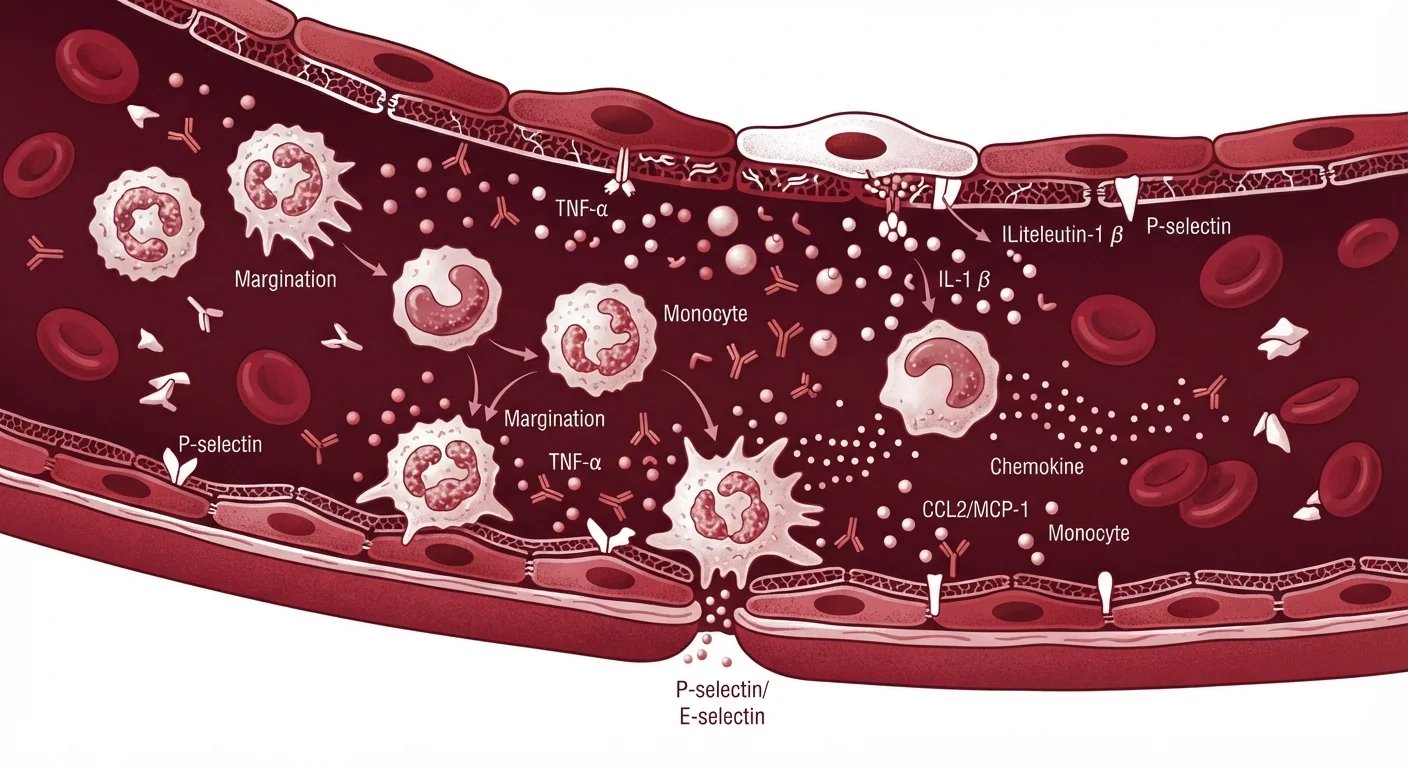
At the cellular level, chronic inflammation involves sustained release of pro-inflammatory cytokines - signaling proteins such as IL-6 and TNF-alpha - that can damage tissues and impair normal organ function over time.
Why Inflammation Keeps Appearing in Medical Headlines
Open almost any health research summary and inflammation is likely to appear somewhere. It shows up in discussions of heart disease, type 2 diabetes, arthritis, depression, and even certain cancers. This frequency isn't a coincidence or scientific trend - it reflects a genuine biological reality. The immune system's inflammatory response is deeply woven into how disease develops in the body.
Understanding what inflammation actually is - and why the chronic variety is so medically significant - helps make sense of a wide range of conditions that might otherwise seem unrelated. It also helps explain why so many lifestyle recommendations, from exercise to sleep, get framed in terms of inflammation.
Inflammation Is a Mechanism, Not a Disease
It's important to distinguish chronic inflammation as a biological process from the conditions it contributes to. Having elevated inflammatory markers doesn't mean you have a specific diagnosis - it's one piece of clinical information among many. Interpretation requires a full clinical picture, which is why blood tests for inflammation are assessed by healthcare professionals in context.
Acute vs. Chronic: Two Very Different Processes
Inflammation is not inherently harmful. In its acute form, it is one of the body's most important survival tools. When you sprain an ankle or contract a respiratory infection, your immune system dispatches white blood cells and releases chemical signals to contain damage and begin repair. This process causes the familiar signs - redness, heat, swelling, pain - and typically resolves within days.
Chronic inflammation is fundamentally different. Instead of firing up and shutting down in response to a clear threat, the immune system remains in a state of low-level alert. This can happen for many reasons: persistent psychological stress, excess body fat (particularly visceral fat around the organs), smoking, poor sleep, or an underlying condition. The immune response doesn't resolve because the triggers don't resolve.
Over months and years, this sustained immune activity can damage healthy cells and tissues - including arterial walls, insulin-producing cells in the pancreas, and joint cartilage. For a deeper look at how this process plays out in one specific condition, see our explanation of how type 2 diabetes develops.
Which Conditions Are Linked to Chronic Inflammation?
Researchers have identified chronic inflammation as a contributing factor - not necessarily a sole cause - in a wide range of conditions. These include:
- Cardiovascular disease: Inflammation plays a role in the buildup of arterial plaques and their destabilization, which can trigger heart attacks.
- Type 2 diabetes: Inflammatory signaling can impair insulin sensitivity and the function of beta cells that produce insulin.
- Autoimmune conditions: Rheumatoid arthritis, lupus, and inflammatory bowel disease all involve the immune system attacking the body's own tissues. Learn how autoimmune conditions work at a biological level.
- Asthma and allergic disease: Airway inflammation is central to asthma, and chronic low-grade inflammation may increase susceptibility to flare-ups.
- Mental health: Emerging research suggests associations between elevated inflammatory markers and conditions including depression, though this area of science is still developing.
~50%
Deaths attributed to inflammation-linked diseases globally
The WHO and multiple public health bodies estimate that non-communicable diseases associated with chronic inflammation account for roughly half of all deaths worldwide.
3x
Elevated CRP and cardiovascular risk
Research published in peer-reviewed cardiology literature has found individuals with persistently elevated C-reactive protein face meaningfully higher cardiovascular event risk compared to those with low CRP.
150 min
Weekly moderate activity linked to lower inflammatory markers
Studies including population cohort data consistently associate around 150 minutes of moderate-intensity weekly exercise with significantly reduced chronic inflammatory biomarkers.
It's worth noting that identifying inflammation as a shared mechanism doesn't mean all these conditions have the same cause or the same solution. It does, however, suggest that broadly reducing systemic inflammation may have benefits that extend across multiple health areas.
What Lifestyle Factors Influence Chronic Inflammation?
Several modifiable lifestyle factors consistently show up in inflammation research:
- Physical activity: Regular movement is one of the most reliably documented ways to lower chronic inflammatory markers. Exercise appears to promote anti-inflammatory signaling, particularly when it becomes a consistent habit rather than an occasional effort. For practical guidance, see our article on staying active with a chronic condition.
- Diet: Dietary patterns high in ultra-processed foods and refined carbohydrates are associated with higher inflammatory markers, while patterns emphasizing vegetables, legumes, whole grains, and healthy fats tend to show lower markers.
- Sleep: Insufficient or disrupted sleep is associated with increased cytokine production. The relationship appears bidirectional - poor sleep raises inflammation, and inflammation can worsen sleep quality.
- Stress: Chronic psychological stress activates the same inflammatory pathways as physical threats, contributing to sustained immune activation over time.
Consistency Matters More Than Intensity
When it comes to inflammation-related benefits of exercise, research points to regular, sustained habits rather than occasional intense effort. Even walking most days of the week appears to produce measurable reductions in inflammatory markers over time. Focus on building movement habits that fit your real schedule rather than chasing peak performance.
None of these factors operates in isolation, which is part of why healthcare providers emphasize overall lifestyle patterns rather than single interventions. If you're managing a health condition alongside these considerations, the framing around what it means to have a chronic condition may also be worth understanding.
This article is for general informational and educational purposes only and does not constitute medical advice. Always consult a qualified healthcare professional before making changes to your health routine or if you have concerns about any symptoms or conditions.