

Key Takeaways
Start here
What Sleep Hygiene Actually Means
Build understanding
The Science Behind Why It Works
Take action
Core Habits Worth Building
Avoid pitfalls
Common Mistakes and Misconceptions
Know your limits
When Sleep Hygiene Isn't Enough
What Sleep Hygiene Actually Means
The term sleep hygiene was introduced in clinical sleep medicine to describe a collection of behavioral and environmental practices that support the ability to fall asleep, stay asleep, and wake feeling restored. It borrows the word "hygiene" in the same sense as "dental hygiene" — a set of habits maintained routinely, not a one-time intervention.
Sleep hygiene
A set of behavioral and environmental habits — such as consistent sleep timing and managing light exposure — that research supports as conducive to regular, restorative sleep.
Circadian rhythm
Your body's internal 24-hour biological clock that regulates the timing of sleep, wakefulness, hormone release, and body temperature cycles.
Sleep pressure
The accumulating biological drive to sleep that builds the longer you are awake, driven by a chemical called adenosine. Higher sleep pressure makes it easier to fall asleep.
Melatonin
A hormone produced by the brain's pineal gland in response to darkness that helps signal to the body that it is time to sleep.
CBT-I
Cognitive Behavioral Therapy for Insomnia — a structured, evidence-based psychological treatment for chronic insomnia delivered by a trained clinician, distinct from self-managed sleep hygiene.
Social jet lag
A misalignment of your internal body clock caused by keeping significantly different sleep schedules on workdays versus weekends or days off.
Despite its clinical origins, sleep hygiene has become something of a pop-wellness catchphrase, which has diluted its meaning. In popular coverage it often gets reduced to a single tip — usually "stop using your phone before bed." In reality, the research base covers a much wider range of factors: light exposure timing, sleep schedule consistency, bedroom temperature, caffeine metabolism, pre-sleep arousal, and more.
This guide walks through what sleep hygiene actually encompasses, why the underlying mechanisms support it, and where its evidence is strongest — and most limited.
The Science Behind Why It Works
Most sleep hygiene practices target one or both of two biological systems that govern sleep.
Circadian rhythm is your body's internal 24-hour clock, regulated primarily by light exposure and social timing cues. It controls the release of melatonin and the timing of core body temperature drops — both of which signal the body to initiate sleep. When your daily schedule and light exposure patterns align with your natural rhythm, falling asleep at a consistent time becomes physiologically easier.
Sleep pressure (also called homeostatic sleep drive) is the accumulating biological need for sleep that builds with every hour you are awake, driven largely by adenosine levels in the brain. Behaviors like napping late in the day, sleeping in excessively, or spending prolonged time in bed while awake can reduce this pressure and make it harder to initiate sleep at night.
Sleep hygiene habits work by protecting and reinforcing both systems — maintaining a consistent schedule anchors the circadian clock, while avoiding extended time in bed when not sleepy protects sleep pressure. The stress-sleep relationship layers on top of this: as explored in our companion article on the stress-sleep loop, chronic stress elevates cortisol and arousal in ways that directly undermine both systems.
Core Habits Worth Building
The following practices have the strongest evidence base in the sleep research literature. They are general in nature — not prescriptions tailored to any individual's health situation.
- Consistent sleep and wake times: Going to bed and waking at similar times daily — including weekends — is consistently associated with better sleep quality and daytime alertness. This is the single habit most supported by research.
- Strategic light exposure: Bright natural light in the morning reinforces your circadian rhythm's anchor point. In the hours before bed, dimming artificial light — including screen brightness — reduces interference with melatonin onset. Display brightness settings matter here; understanding what your screen's specifications actually do is worth a look at how display specs like brightness affect viewing.
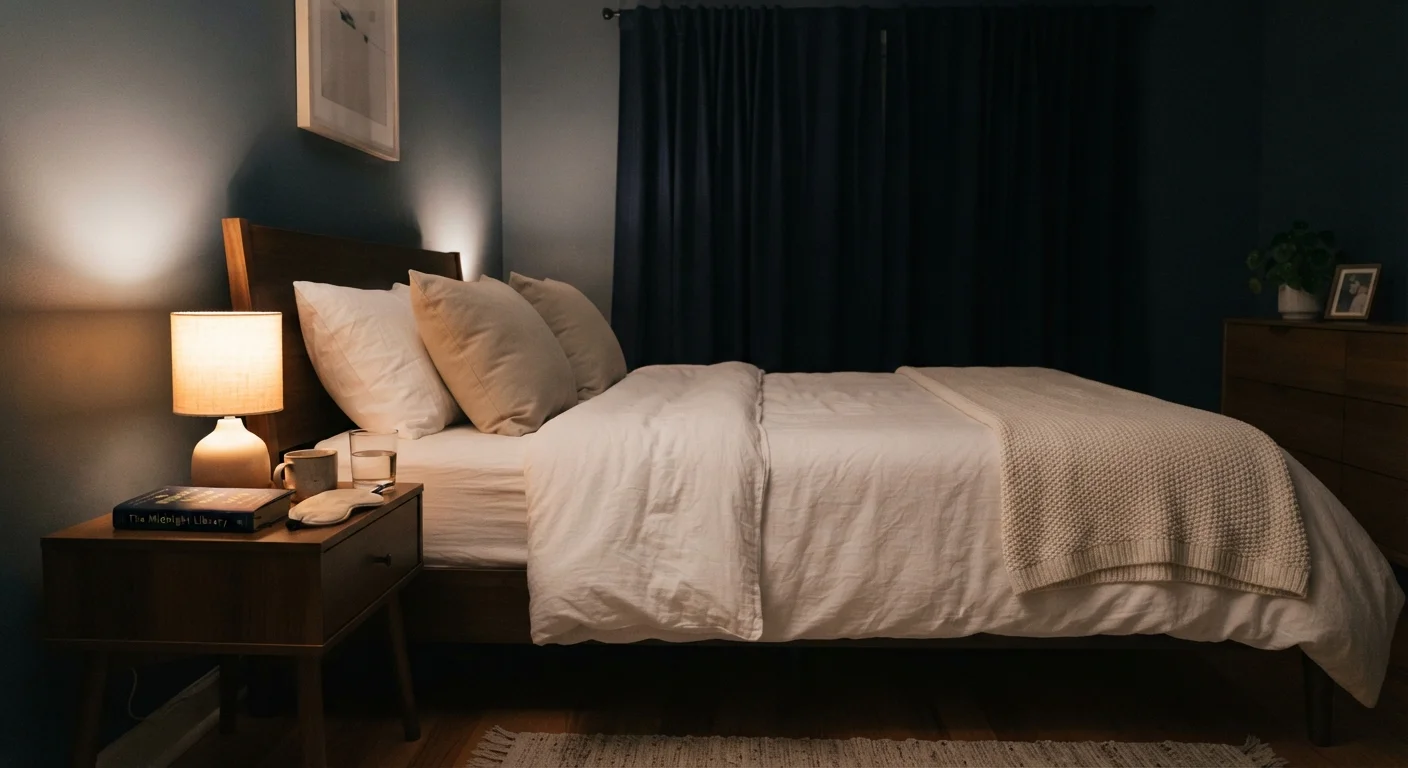
- A cool, dark, quiet sleep environment: Core body temperature naturally drops during sleep. A cooler bedroom facilitates this. Blackout curtains and minimizing noise are low-cost interventions with meaningful effects for many people.
- Limiting caffeine in the afternoon: Caffeine's half-life in the body averages roughly five to six hours, though this varies by individual. Consuming caffeine in the late afternoon or evening can delay sleep onset even when you don't feel wired.
- A wind-down routine: A 20–30 minute buffer of low-stimulation activity before bed — reading, light stretching, or similar — helps reduce pre-sleep arousal and signals the brain that sleep is approaching.
Start With One Anchor Habit
If you're new to improving sleep, start with a consistent wake time rather than trying to overhaul every habit at once. Waking at the same time daily — even after a poor night — is the single most effective way to stabilize your circadian rhythm. Other habits become easier to layer in once that anchor is set.
Common Mistakes and Misconceptions
Several widespread beliefs about sleep hygiene either overstate specific factors or reflect misunderstandings of how sleep works.
"Screens are the main problem." Blue light from devices is a real factor, but research suggests the cognitive and emotional engagement of what you're doing on the screen — watching something stressful, scrolling social media — may be at least as disruptive as the light itself. The medium and the content both matter.
"You can catch up on sleep over the weekend." While some recovery of cognitive function is possible after acute sleep loss, research on "social jet lag" suggests that irregular sleep timing has its own costs, including shifts in the circadian clock that make the start of the week harder.
"Lying in bed resting still counts." Extended time in bed while not sleeping can weaken the brain's learned association between bed and sleep — a concept called sleep restriction therapy in clinical CBT-I. Spending time in bed awake may feel restful but can reinforce insomnia patterns over time.
Sleep Hygiene Is Not One-Size-Fits-All
Individual variation in circadian type ("chronotype") is real and biologically grounded. Night owls and early risers have genuine differences in when their bodies are primed for sleep. Sleep hygiene principles apply broadly, but the optimal timing of habits like light exposure and wind-down routines may shift based on your natural chronotype. A sleep specialist can help identify what works best for your biology.
It's also worth noting that hydration plays a quiet role in sleep quality. Mild dehydration before bed can increase nighttime awakenings; on the flip side, drinking large amounts immediately before sleep disrupts rest for obvious reasons. For a grounded look at hydration evidence more broadly, see our breakdown of hydration myths.
When Sleep Hygiene Isn't Enough
Sleep hygiene is a strong foundation, but it has clearly defined limits. It works best for people with mild-to-moderate difficulty sleeping that stems from behavioral or environmental patterns. It is not adequate as a standalone approach for diagnosed sleep disorders.
Conditions such as obstructive sleep apnea, restless legs syndrome, and chronic clinical insomnia have distinct physiological or psychological mechanisms that behavioral habits alone cannot resolve. Sleep disorders also connect to broader physical health — including cardiovascular and metabolic function — in ways that make early evaluation important.
If sleep problems are persistent, significantly affect your daytime functioning, or are accompanied by symptoms like loud snoring, gasping during sleep, or persistent anxiety, a qualified healthcare provider is the right next step. Cognitive Behavioral Therapy for Insomnia (CBT-I) is recognized as the evidence-based first-line treatment for chronic insomnia and incorporates sleep hygiene within a structured clinical framework — overseen by a trained professional.
Don't Dismiss Persistent Sleep Problems
If you have been consistently applying sleep hygiene practices for several weeks without meaningful improvement, or if your sleep difficulties are affecting your work, relationships, or mood significantly, this warrants a conversation with a healthcare professional. Persistent insomnia and undiagnosed sleep disorders carry real health consequences — behavioral habits alone are not always sufficient, and effective clinical treatments exist.
This article is for general informational purposes only and does not constitute medical advice. If you have concerns about your sleep or health, please consult a qualified healthcare professional.