

Key Takeaways
Cruise Fare Inclusions
A cruise fare is the base price you pay to board a ship and occupy a cabin. It typically covers your stateroom, most meals in the main dining venues, and access to the ship's general amenities. Many popular additions — from specialty restaurants and alcoholic drinks to gratuities and shore excursions — are sold separately and can significantly raise your total trip cost.
Cruise lines distinguish between 'included' and 'à la carte' (pay-as-you-go) services. Some higher-end or 'all-inclusive' lines bundle more into the fare, so the definition of what's standard varies by cruise line and fare category.
What the Base Fare Actually Covers
When a cruise line quotes a fare, it refers to the price of your stateroom for the voyage duration, plus a defined set of onboard amenities. Understanding this baseline prevents the disorienting moment many first-time cruisers experience when their onboard account statement arrives.
Typically included in the base fare:
- Your cabin (interior, oceanview, balcony, or suite — see cabin category definitions for what each tier means)
- Main dining room meals for breakfast, lunch, and dinner
- Buffet and most casual dining venues
- Non-alcoholic beverages in dining venues (water, juice, drip coffee, tea)
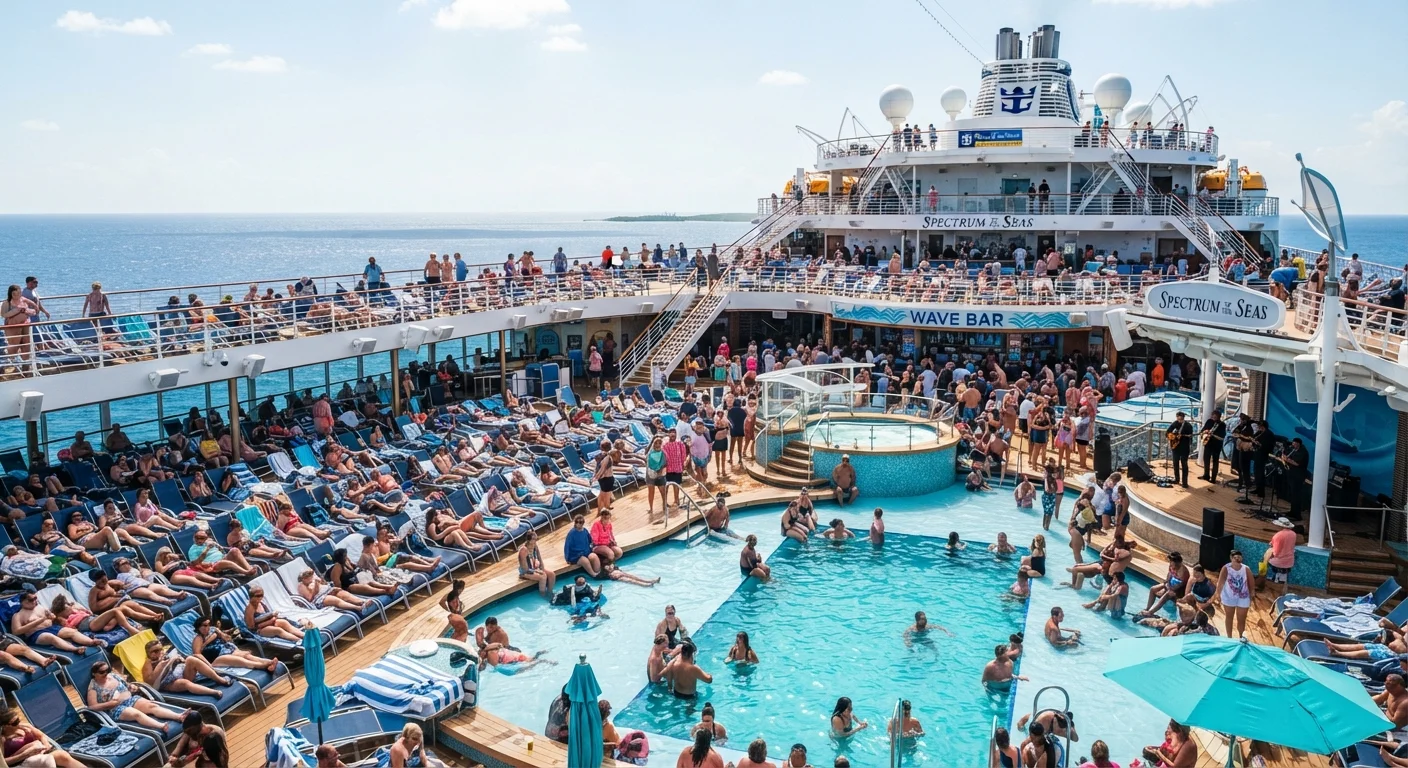
- Access to pools, fitness center, and standard recreational facilities
- Onboard entertainment: theater shows, live music, trivia, deck activities
- Port stops (the ship delivers you to port; what you do there is separate)
This baseline is genuinely inclusive for travelers who stick to the ship's core rhythm. The complications arise when passengers assume that everything onboard is covered — it isn't.
Inclusions Can Vary by Fare Class
Even within the same cruise line, what's included can differ based on whether you've booked an interior cabin or a suite. Suite guests on many lines receive perks like dedicated dining venues, priority boarding, or complimentary specialty restaurant access. Always check the specific benefits tied to your chosen cabin category, not just the general line policy.
The Most Common Extra Charges
Cruise lines generate a significant portion of revenue from onboard spending beyond the fare. Being aware of these categories in advance helps you set a realistic total trip budget.
Gratuities: Most mainstream lines add a daily automatic gratuity per guest — amounts vary by line and cabin category. These can be prepaid at booking or charged to your onboard account. Some all-inclusive lines build them into the fare.
Alcoholic and specialty beverages: Beer, wine, cocktails, and specialty coffees are almost always extra. Beverage packages — available for purchase before or during the voyage — bundle drinks for a flat daily rate and can represent savings for guests who drink regularly.
Specialty dining: Steakhouses, sushi venues, chef's table dinners, and similar experiences carry a surcharge. Some ships have a dozen or more specialty restaurants, each with its own pricing structure.
Wi-Fi: Internet packages are sold separately on nearly all mainstream cruise lines, usually in tiered plans by speed or data volume. Satellite-based ship internet has historically been slower than land-based connections, though technology improvements are gradually changing this.
Shore excursions: The ship deposits you at each port — what happens next is on you. Cruise line-organized tours are convenient but often carry a premium. Independent options vs. ship excursions is a decision worth thinking through before you sail.
Spa and salon services: Treatments, massages, and salon appointments are all à la carte. The spa may be a public facility, but the services within it are not free.
~$100–$150
Typical daily per-person onboard spending beyond fare
Industry analysts and travel researchers frequently cite this range as a general benchmark for mainstream cruise passengers, though individual habits vary widely.
18–20%
Common automatic gratuity rate on beverage purchases
Most cruise lines automatically add a service charge of approximately 18–20% to any drink orders placed onboard, separate from the daily crew gratuity.
$20–$25
Average daily crew gratuity per person
Daily gratuity amounts vary by cruise line and cabin category; suite guests are typically charged at a higher daily rate than standard cabin guests.
All-Inclusive Lines: More Bundled, But Read the Fine Print
A segment of the cruise market — primarily luxury and ultra-luxury lines — markets itself as all-inclusive. These fares typically bundle gratuities, beverages (including alcohol), Wi-Fi, and sometimes shore excursions or airfare. The fares are meaningfully higher, but the total out-of-pocket cost may end up closer to a mainstream cruise once extras are added to the latter.
However, 'all-inclusive' is not a regulated or standardized term in the cruise industry. One line's all-inclusive fare might include Wi-Fi and drinks but charge for specialty dining and spa services. Another might bundle excursions. Comparing cruise options requires looking at what specific perks are bundled — not just whether a line uses the phrase.
Compare Bundled Packages Before You Board
Many cruise lines offer discounted beverage, dining, and Wi-Fi packages when purchased before sailing — sometimes at a lower rate than buying the same package once onboard. If you know you'll use a particular package, booking it in advance during the pre-cruise period often saves money. Check the terms carefully, as some packages are non-refundable.
For first-time cruisers navigating the full onboard experience, our guide to what to expect from boarding to disembarkation offers a practical walkthrough of the entire voyage.
Planning Your Actual Budget
Experienced cruisers generally estimate their total trip cost by starting with the base fare and then layering in expected add-ons. A reasonable framework:
- Start with the published fare (per person, double occupancy is the industry standard for quoted rates).
- Add daily gratuities for the full voyage length.
- Factor in any beverage or dining packages you plan to purchase.
- Budget separately for Wi-Fi if needed.
- Allocate funds for port activities and excursions.
- Set a discretionary allowance for spa, shopping, or onboard retail.
First-time cruisers often overspend onboard because the cashless, card-tap experience makes additional purchases feel seamless. Setting a per-day onboard budget — and checking your account statement mid-voyage — is a straightforward habit that keeps spending intentional.
“The cruise fare gets you on the ship. Your actual vacation budget is everything that comes after.”
— Travel Industry Advisory, Commonly cited principle in cruise travel planning guidance
It's also worth considering cruise-specific travel insurance, which addresses risks that standard trip policies may not cover and should be factored into overall trip planning.
This article is for general informational purposes. Pricing, policies, and inclusions vary by cruise line, ship, itinerary, and booking tier. Always verify current details directly with your cruise line before booking.