

Key Takeaways
Why These Myths Persist
US national parks inspire genuine awe — and a surprising number of firmly held misconceptions. Some myths stem from viral social media imagery that fixates on a handful of marquee parks. Others come from outdated advice passed down through generations of travelers. A few are simply the result of conflating national parks with other federal land designations.
The result is that many people either avoid parks altogether, assuming crowds or complexity will ruin the experience, or they under-prepare and find themselves caught off guard. Understanding what's actually true — and what isn't — is the first step toward planning a trip that genuinely works for you. For a broader foundation, see our first-time visitor guide to national parks.
Myth
The most famous national parks are always impossibly crowded, making a visit not worth the effort.
Fact
Crowding is real at peak times, but it is highly manageable with deliberate timing and modest planning.
Parks like Yosemite, Zion, and the Grand Canyon do experience significant congestion on summer weekends. But visitation is not uniform across the day, the week, or the year. Arriving at a trailhead before 8 a.m., visiting in May or October, or choosing midweek days can yield a dramatically different experience. Beyond timing, the US National Park System comprises more than 400 units — the vast majority see a fraction of the traffic that headline parks receive.
Myth
You have to camp to have a real national park experience.
Fact
Camping is one option among many; lodges, cabin rentals, and day trips from gateway towns are all entirely legitimate ways to visit.
In-park lodges operate at dozens of parks, from the historic El Tovar at the Grand Canyon to the lodge at Crater Lake. Gateway towns adjacent to major parks — Springdale near Zion, Gatlinburg near Great Smoky Mountains — offer full hotel infrastructure with easy park access. Day tripping is also common and practical. For those who do want to camp, understanding how reservation systems work is essential; our article on national park camping reservations explains the process in detail.
Myth
National park entry is free because they're public lands.
Fact
Most national parks charge an entrance fee; only some sites in the system are free to enter.
Standard entrance fees at major parks typically range from roughly $15 to $35 per vehicle, though fees vary and are subject to change. The America the Beautiful annual pass, available through the National Park Service, provides entry to most fee-charging federal recreation sites for a single annual cost and is worth considering for anyone planning multiple visits in a year. Some smaller units, monuments, and recreation areas within the broader system are indeed free, but assuming no fee can mean an unwelcome surprise at the entrance station.
Myth
You need to be an experienced hiker or outdoor enthusiast to enjoy a national park.
Fact
Most parks offer a wide range of accessible activities suitable for varying fitness levels, ages, and mobility.
Paved scenic drives, accessible visitor centers, ranger-led programs, and short interpretive trails exist at the overwhelming majority of national parks. Great Smoky Mountains — consistently the most-visited park — is heavily accessible by car. Many parks offer junior ranger programs for children and have made significant investments in accessibility infrastructure for visitors with mobility limitations. Challenging backcountry hikes exist for those who want them, but they are never the only option.
Myth
All national parks look the same — if you've seen one, you've seen them all.
Fact
National parks span radically different ecosystems, climates, and landscapes across the country.
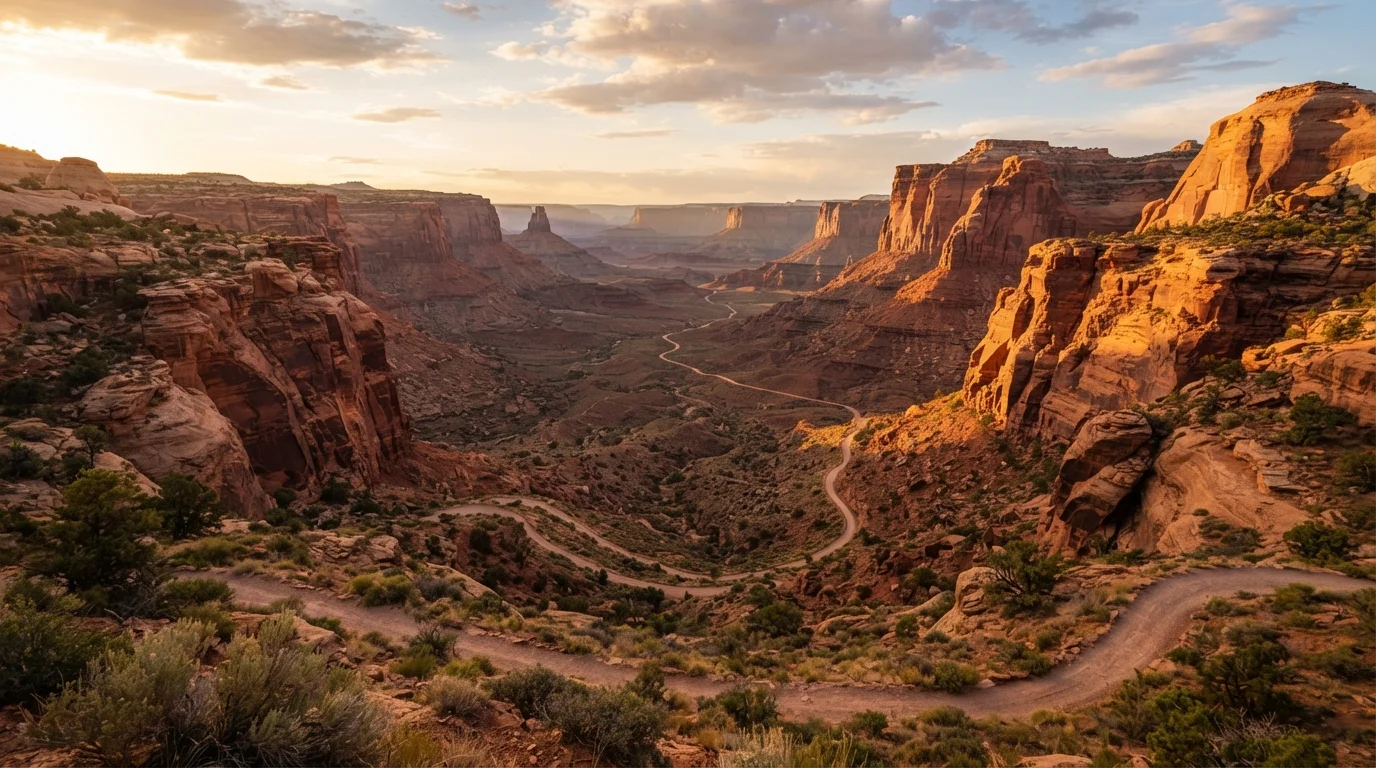
The US National Park System encompasses Arctic tundra in Alaska, subtropical wetlands in Florida, active volcanoes in Hawaii, coastal redwood forests in California, and high-desert canyon country in the Southwest. Even parks within the same geographic region differ substantially. The five major Southwest parks, for instance, each present distinct geology, elevation, and trail character — as explored in our guide to the Southwest's Big Five parks.
Myth
Pets aren't allowed in national parks.
Fact
Pets are permitted in many areas of national parks, though restrictions on trails and backcountry zones vary significantly by park.
Most national parks allow leashed pets in parking areas, campgrounds, and some paved paths. However, pets are typically prohibited on unpaved trails, in wilderness areas, and in park buildings. Rules differ by park, and some parks have more pet-friendly trail networks than others. Checking the specific pet policy on the official National Park Service website for your destination before traveling is the most reliable approach — policies can also vary by season or zone within a single park.
Planning Around Reality, Not Rumor
Correcting these myths has real practical value. Travelers who understand that shoulder seasons exist, that lodges and day-tripping are legitimate options, and that hundreds of less-visited parks await exploration are far better positioned to build satisfying itineraries.
400+
Units in the US National Park System
According to the National Park Service, the system includes over 400 sites ranging from historic battlefields to vast wilderness parks.
~20
Parks receive the bulk of total visits
A small number of marquee parks account for a disproportionate share of total annual visitation, leaving most of the system relatively uncrowded.
Timing remains one of the most controllable variables. Arriving midweek, planning around early morning or late afternoon hours, and targeting September or October at parks like Zion or Glacier can transform the experience. Our guide on why popular parks feel overwhelming in summer covers this in depth.
It's also worth noting that national parks are just one category of federally protected land. National monuments and national forests operate under different rules, fees, and management structures — sometimes offering comparable scenery with fewer visitors. See how these designations compare for a clear breakdown. And if you're ready to move beyond the marquee names entirely, lesser-known US destinations offers a compelling starting point.
Always Verify Entry Requirements Before You Go
Timed-entry permit systems, road closures, and fee changes can affect your visit and are updated regularly by the National Park Service. Check the official NPS website for your specific destination well in advance of travel. Conditions, access rules, and even seasonal closures can shift year to year.