

| Standardized OBD-II required since | 1996 (all US passenger vehicles) (US Environmental Protection Agency (EPA) mandate) |
| Red light urgency | Stop driving as soon as safely possible |
| Amber light urgency | Schedule service within days to a week |
| Most common trigger for check engine light | Oxygen sensor or loose gas cap (Commonly cited by automotive diagnostic professionals) |
| Free DTC reading | Available at many auto parts retailers |
Why Dashboard Warning Lights Exist
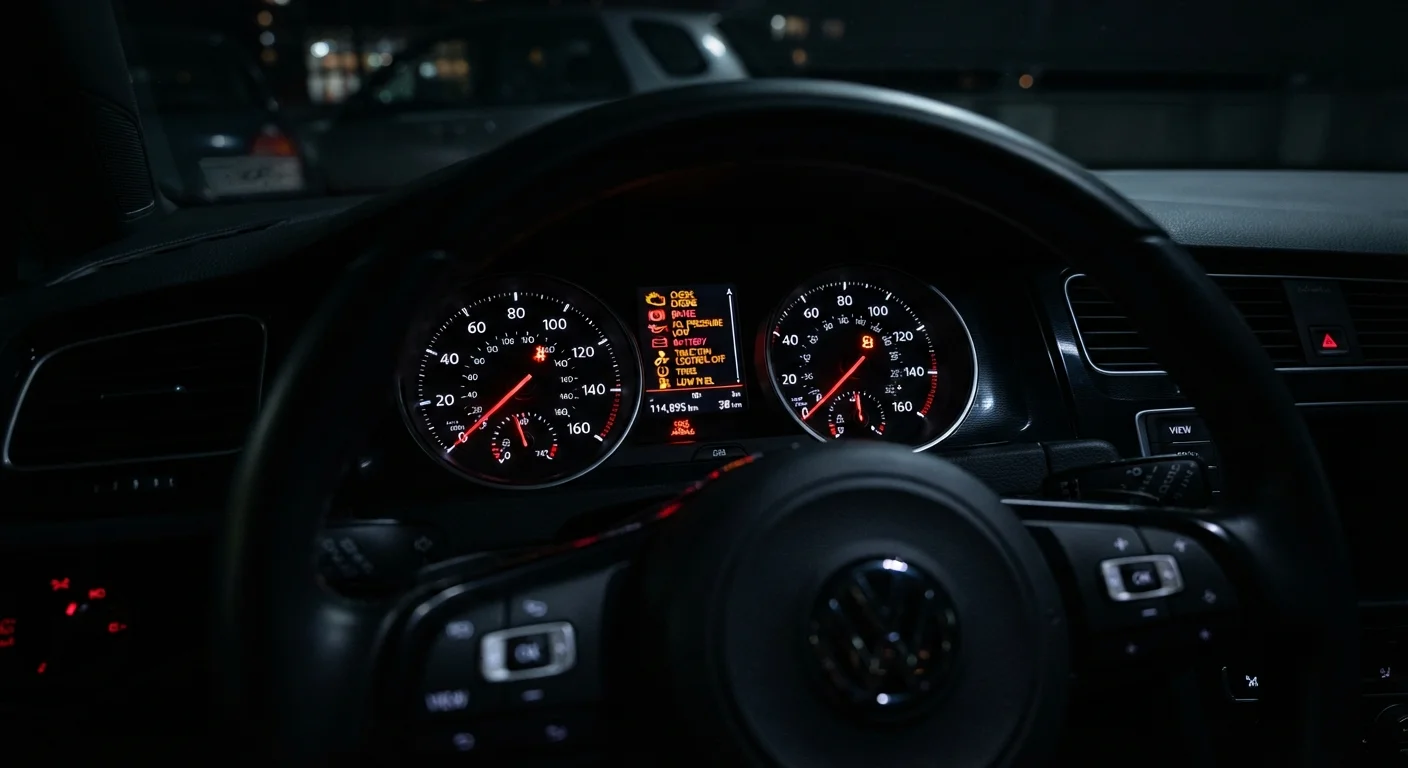
Modern vehicles are equipped with an onboard diagnostics system (commonly called OBD-II on vehicles made after 1996) that continuously monitors dozens of sensors. When something falls outside acceptable parameters, the system triggers a dashboard warning light to alert you. These aren't suggestions - they're your car's way of communicating that a system needs attention.
Understanding the difference between an urgent warning and a routine service reminder can mean the difference between a quick, inexpensive fix and a breakdown on the side of the road. Always consult your owner's manual first, since light meanings can vary slightly by make and model. See our guide to using your owner's manual for how to locate and interpret your vehicle's specific maintenance schedule.
| Standardized OBD-II required since | 1996 (all US passenger vehicles) (US Environmental Protection Agency (EPA) mandate) |
| Red light urgency | Stop driving as soon as safely possible |
| Amber light urgency | Schedule service within days to a week |
| Most common trigger for check engine light | Oxygen sensor or loose gas cap (Commonly cited by automotive diagnostic professionals) |
| Free DTC reading | Available at many auto parts retailers |
Stop Now vs. Schedule Service: A Practical Framework
Warning lights generally fall into two urgency tiers. Red lights signal conditions that may cause immediate damage or create a safety risk - pull over safely and address the situation before continuing to drive. Yellow or amber lights typically indicate a system that needs attention but isn't necessarily dangerous right this moment; schedule service within a reasonable timeframe rather than ignoring the light for weeks.
Lights That Require Immediate Attention
- Oil Pressure Warning (red oil can icon): Low oil pressure can destroy an engine within minutes of continued driving. Stop the car as soon as it is safe to do so and check the oil level. If oil is full, do not restart - have it inspected by a mechanic.
- Engine Temperature Warning (red thermometer/waves icon): An overheating engine can warp cylinder heads and cause severe internal damage. Pull over, turn off the engine, and allow it to cool before opening the hood.
- Battery/Charging System Warning (red battery icon): This indicates the charging system isn't maintaining proper voltage. The vehicle may stop running soon. Minimize electrical load and get to a shop promptly.
- Brake System Warning (red BRAKE or exclamation in circle): If this appears while driving and your parking brake is off, it could indicate low brake fluid or a hydraulic failure - a serious safety concern. Learn more about how your stopping system works in our braking components overview.
Lights That Need Follow-Up, Not a Roadside Stop
- Check Engine Light (amber engine outline): A steady check engine light signals a detected fault - commonly a sensor or emissions issue. A flashing check engine light is more serious and warrants pulling over soon. Have the trouble codes read at a shop or auto parts store.
- TPMS - Tire Pressure Monitoring System (amber tire cross-section with exclamation): One or more tires are below the recommended pressure. Check and inflate tires when safe to do so.
- Service Engine / Maintenance Due (amber wrench or oil can): This is a scheduled service reminder, not an emergency. Book your next oil change or service appointment within the recommended window.
- Traction Control / Stability Control (amber car with squiggly lines): Usually means the system is actively working or has been manually disabled. If it stays on without slippery conditions, have the system inspected.
OBD-II
On-Board Diagnostics II - a standardized system used in vehicles sold in the US after 1996 that monitors engine and emissions-related components and stores diagnostic trouble codes when a fault is detected.
Diagnostic Trouble Code (DTC)
An alphanumeric code stored by the OBD-II system when a sensor reading falls outside normal range. These codes help mechanics identify which system or component triggered a warning light.
TPMS
Tire Pressure Monitoring System - a sensor-based system that alerts the driver when one or more tires drop significantly below the recommended inflation pressure.
Charging System
The combination of the alternator, battery, and related wiring that generates and stores electrical power while the vehicle is running. A failure here can leave you stranded.
Oil Pressure
The force with which engine oil circulates through the engine. Insufficient oil pressure means engine components are not being properly lubricated, which can quickly cause severe internal damage.
What to Do When a New Light Appears
When a warning light illuminates for the first time, don't panic - but don't ignore it either. Follow this straightforward sequence:
- Note the color. Red means stop; amber means schedule service soon.
- Check your owner's manual. Look up the exact symbol to confirm what system is affected.
- Assess symptoms. Is the car behaving differently - unusual sounds, reduced performance, smoke, or smell? These clues help a mechanic diagnose the issue faster.
- Act according to urgency. Red lights - pull over and call for assistance if needed. Amber lights - schedule service within a few days to a week.
- Get the codes read. Many auto parts retailers will read diagnostic trouble codes (DTCs) for free, giving you more information before you visit a mechanic.
Staying proactive about warning lights is one of the most effective ways to avoid compounding repair costs. Pair this habit with a consistent seasonal check routine - our seasonal car care checklist covers the systems worth inspecting before each season change. For a sense of which follow-up tasks you might handle yourself, see our guide to DIY car maintenance.
When in Doubt, Ask a Qualified Mechanic
Dashboard light meanings can vary by manufacturer, model year, and trim level. While this guide covers common interpretations, your safest step is always to consult a qualified mechanic or your vehicle's owner's manual for your specific situation. Some lights that appear minor can indicate developing issues that worsen with delay - especially on high-mileage vehicles where multiple systems may be wearing simultaneously.