

Key Takeaways
Vehicle Trim Level
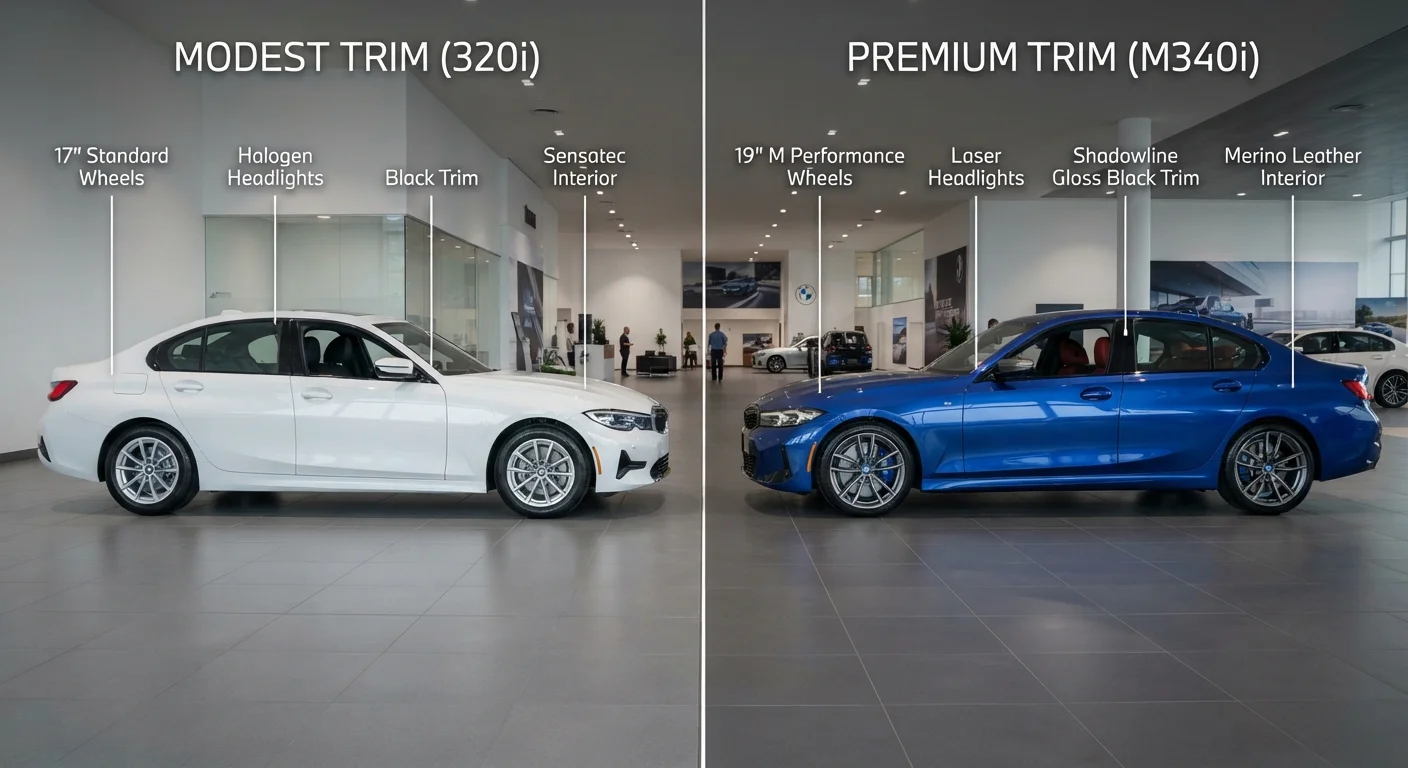
A trim level is a manufacturer-defined configuration of a vehicle model that bundles a specific set of features, equipment, and finishes at a set price point. Automakers typically offer the same base model in several trims - often labeled Base, Sport, EX, or Limited - each adding more features than the one below it. Choosing a trim is essentially choosing which feature package comes standard on your vehicle.
Trim levels are distinct from option packages, which are add-ons available within a trim. Some manufacturers use trim-specific chassis tuning or powertrain options, meaning two trims of the same nameplate can have genuinely different mechanical specs.
What Stays the Same Across All Trims
When a manufacturer builds multiple trims of the same model, the foundation stays consistent. The body shell, chassis platform, wheelbase, and core structural engineering are virtually identical across the lineup. This matters because crash test results - conducted by the National Highway Traffic Safety Administration (NHTSA) and the Insurance Institute for Highway Safety (IIHS) - are generally performed on a representative trim and apply broadly to the model.
The base powertrain option - usually the standard engine and transmission - also carries across most trims, though upper trims may offer an upgraded engine as an option or exclusive. Braking systems, suspension geometry, and steering hardware tend to be shared as well, though sport-tuned variants may receive stiffer calibration.
For buyers focused on reliability or mechanical simplicity, this is reassuring: the core vehicle you're evaluating in owner forums and consumer reports is largely the same machine across trim variants. See our guide to vehicle body styles for context on how platform choices affect your driving life more broadly.
Where Trim Levels Make a Real Difference
The most impactful - and sometimes overlooked - differences between trims involve active safety technology. Features such as automatic emergency braking, lane-keeping assist, blind-spot monitoring, and rear cross-traffic alert are increasingly common, but they are not always standard on base trims. In many lineups, these systems are bundled into mid-tier or top-tier trims, or sold as an optional safety package.
~20%
Average price gap between base and top trim
Automotive analysts generally observe that fully loaded trims of a given model can cost 15-25% more than the base configuration, though this varies significantly by manufacturer and segment.
1 in 3
New vehicles sold in the U.S. are top-trim models
Industry sales data consistently shows buyers skewing toward higher trims, often because bundled safety and technology packages make mid-to-top trims feel like strong value propositions.
This creates a meaningful real-world gap between a base and a higher trim: the underlying vehicle structure may be identical, but one driver has electronic assistance in avoiding a collision and another does not. For a deeper look at how this varies by class and brand, see how driver-assist technology varies by trim and class.
Beyond safety tech, comfort and convenience features are where most trim spending goes: heated and ventilated seats, premium audio systems, a larger infotainment touchscreen, wireless phone charging, and panoramic sunroofs. These are quality-of-life upgrades that don't affect how the vehicle handles but significantly shape daily satisfaction.
Always Compare the Full Feature Chart
Most automaker websites include a side-by-side trim comparison tool that lists every standard and available feature per trim. Reviewing this before visiting a dealership gives you a clear picture of exactly what you're paying for - and what you'd be giving up by stepping down a tier. Focus especially on safety tech availability, as this is the category most buyers underweight when trimming costs.
How to Read a Trim Lineup Before You Buy
Each new vehicle comes with a Monroney sticker (the window sticker required by federal law) that lists every standard and optional feature for that specific trim. This is your most reliable reference - more accurate than a salesperson's summary or a brand's marketing page.
When comparing trims, focus on three categories in order of priority:
- Active safety features: Is automatic emergency braking standard? What about blind-spot monitoring? These affect your protection on the road, not just your comfort.
- Powertrain options: Does a higher trim unlock a more capable engine, all-wheel drive, or a tow package you may need?
- Convenience technology: Heated seats, navigation, and audio upgrades are real benefits - but weigh them against the price difference before assuming they're worth it.
It's also worth understanding how manufacturers name and position their own segments. How automakers classify their own vehicles explains why the same term can mean different things across brands. If you're planning to sell eventually, trim selection can influence resale appeal - something worth considering alongside the trade-in vs. private sale decision down the road.