

Key Takeaways
Complete control over your daily schedule and pace
Solo travelers make every decision independently — from when to eat to which ports to explore on foot. There's no compromise required.
Built-in logistics reduce solo planning burden
Transportation between ports, accommodation, and many meals are handled by the ship, removing the logistical complexity typical of independent solo travel.
Social opportunities are structured and accessible
Onboard activities, communal dining, and hosted solo meetups make it easier to meet fellow travelers than most independent travel formats.
Single-occupancy cabins now available on many ships
Several major cruise lines have introduced purpose-built solo staterooms, eliminating or reducing the single supplement that has historically made solo cruising expensive.
Safe, contained environment for international travel
For solo travelers apprehensive about navigating unfamiliar countries alone, a cruise provides a secure, familiar base while still accessing multiple destinations.
Higher per-person cost than shared cabins
Single supplements or smaller solo cabin rates typically mean solo travelers pay a premium compared to the per-person rate in a shared double cabin.
Some onboard experiences feel pair-oriented
Dining room layouts, couples' spa packages, and certain excursions are designed with two people in mind, which can feel exclusionary at times.
No built-in companion for shared experiences
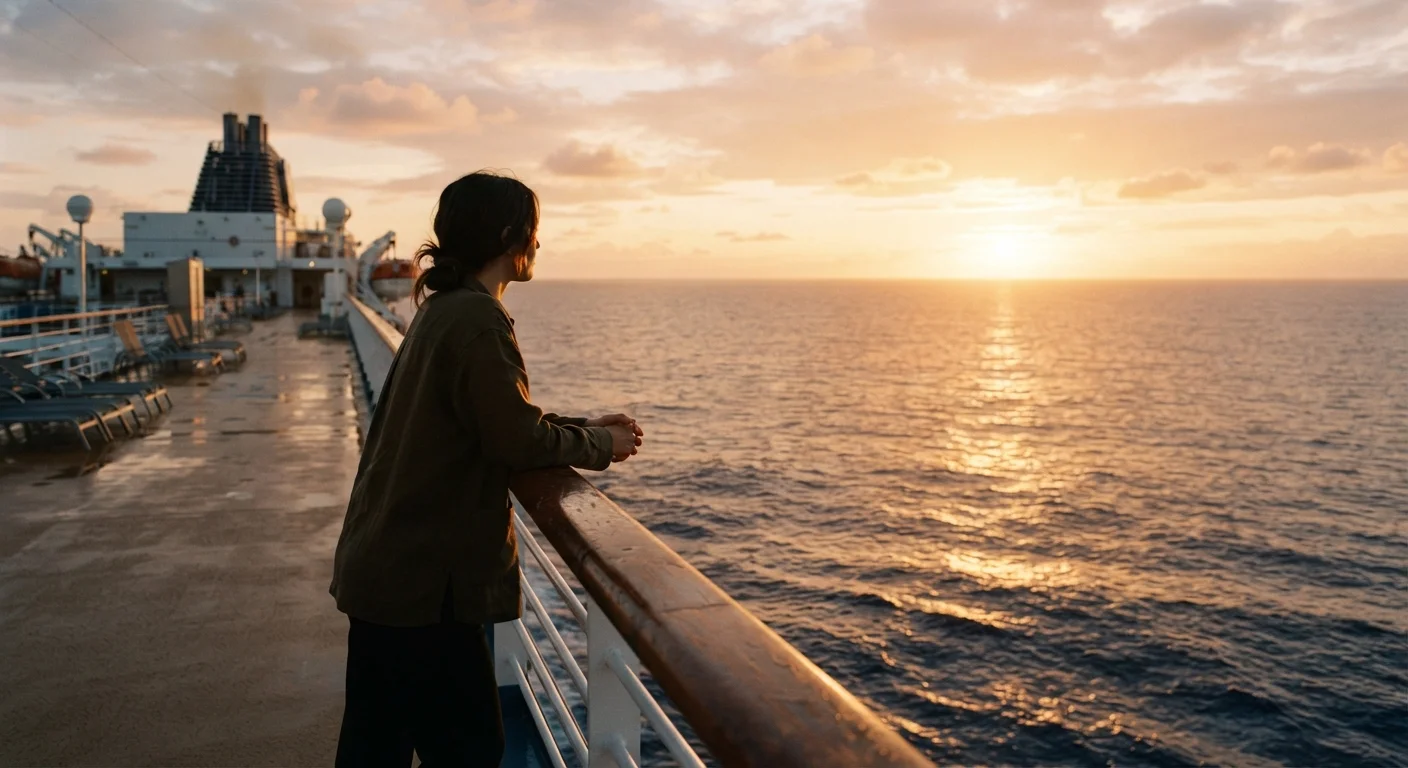
Watching a sunset from the deck or visiting a remarkable port without someone to share it with is a tradeoff some solo travelers find genuinely difficult.
Shore excursion costs aren't split
Private tours and taxi costs that couples or groups divide fall entirely on the solo traveler, increasing the effective per-day cost ashore.
Solo cabin inventory is limited and books fast
Ships with dedicated single staterooms carry far fewer of them than double cabins, meaning early booking is often necessary to secure one.
Our Verdict
Solo cruising is a genuinely rewarding option for independent travelers who want structure without sacrificing freedom. The built-in logistics, social opportunities, and varied onboard programming make it far less isolating than many expect. The financial premium and occasional awkwardness of solo dining or pair-oriented activities are real, but manageable with the right itinerary and mindset.
Best suited to self-directed travelers who enjoy occasional solitude but also welcome easy socialization — particularly those trying cruising for the first time or traveling solo internationally.
How Solo Cruising Has Changed
Cruise lines have made deliberate adjustments to attract solo travelers over the past decade. Some larger ships now include dedicated solo cabins — smaller staterooms designed for one person — which sidestep the traditional single supplement, a surcharge (often 50–100% of the per-person fare) applied when one person occupies a double-occupancy room. Not every line offers this, and availability varies significantly by ship and sailing date, so it's worth researching specific vessels before booking.
Solo traveler meetups, dedicated lounges, and hosted dining tables have also become more common. These aren't universal, but they signal that the industry has recognized solo cruisers as a growing segment rather than an afterthought. If you're new to cruising altogether, understanding the full cruise experience from boarding to disembarkation is a practical first step before comparing solo versus group dynamics.
The Advantages of Sailing Alone
Complete control over your daily schedule and pace
Solo travelers make every decision independently — from when to eat to which ports to explore on foot. There's no compromise required.
Built-in logistics reduce solo planning burden
Transportation between ports, accommodation, and many meals are handled by the ship, removing the logistical complexity typical of independent solo travel.
Social opportunities are structured and accessible
Onboard activities, communal dining, and hosted solo meetups make it easier to meet fellow travelers than most independent travel formats.
Single-occupancy cabins now available on many ships
Several major cruise lines have introduced purpose-built solo staterooms, eliminating or reducing the single supplement that has historically made solo cruising expensive.
Safe, contained environment for international travel
For solo travelers apprehensive about navigating unfamiliar countries alone, a cruise provides a secure, familiar base while still accessing multiple destinations.
Solo cruising removes the friction that comes with group or couple travel. There's no negotiating over dinner venues, no compromising on shore excursion pace, and no waiting for someone else to be ready. You move at your own speed — lingering at a port market, skipping a show, or spending a sea day entirely at the pool without explanation.
The ship's structure actually works in a solo traveler's favor. Meals, entertainment, and activities are all organized for you, which means you're never navigating a foreign city alone trying to find a restaurant or figure out logistics. For those comparing this to other forms of independent travel, solo travel planning differs meaningfully from group planning in ways that a cruise partially simplifies.
The Real Trade-Offs
Higher per-person cost than shared cabins
Single supplements or smaller solo cabin rates typically mean solo travelers pay a premium compared to the per-person rate in a shared double cabin.
Some onboard experiences feel pair-oriented
Dining room layouts, couples' spa packages, and certain excursions are designed with two people in mind, which can feel exclusionary at times.
No built-in companion for shared experiences
Watching a sunset from the deck or visiting a remarkable port without someone to share it with is a tradeoff some solo travelers find genuinely difficult.
Shore excursion costs aren't split
Private tours and taxi costs that couples or groups divide fall entirely on the solo traveler, increasing the effective per-day cost ashore.
Solo cabin inventory is limited and books fast
Ships with dedicated single staterooms carry far fewer of them than double cabins, meaning early booking is often necessary to secure one.
The cost gap is the most significant practical hurdle. Even on ships with solo cabins, a solo traveler generally pays more per night than someone splitting a double cabin with a partner. On itineraries without dedicated solo rooms, single supplements can push the price well above what couples or groups pay per person. Onboard spending habits also deserve attention — without a travel companion to share excursion costs or split incidental expenses, budgets can stretch faster than expected.
Some aspects of ship life are quietly couple- or group-oriented: dining tables for two dominate many restaurants, certain shore excursions assume pairs, and evening entertainment can feel more social when experienced with someone. These aren't dealbreakers, but they're worth acknowledging rather than discovering mid-voyage.
Single Supplement Waivers: Worth Checking
Some cruise lines periodically waive or reduce the single supplement on select sailings, particularly during slower booking periods or on repositioning voyages. This varies by line, ship, and sailing date — it's not a guaranteed offer. Travelers interested in solo cruising should ask specifically about single supplement policies when researching itineraries, rather than assuming a standard rate applies.
Social Life Onboard: Easier Than You'd Expect
One of the most consistent surprises solo cruisers report is how approachable the social environment is. Unlike a solo road trip or a week at a beach resort, a cruise ship concentrates a few thousand people in a shared space with structured common activities. Trivia nights, cooking demonstrations, group fitness classes, and themed dinners all create low-pressure entry points for conversation.
Many ships pair solo diners with others at communal tables if requested — a simple way to avoid eating alone every night without any awkwardness. The dynamic is different from traveling with a group but rarely as isolating as travelers fear beforehand. For context on how solo travel social dynamics play out more broadly, solo domestic travel involves its own social calculus that differs from the cruise setting.
~25%
Solo travelers among cruise passengers
Industry estimates suggest roughly one in four cruise bookings now involves a solo traveler, reflecting significant growth in the segment over the past decade.
50–100%
Typical single supplement range
When a solo traveler books a standard double-occupancy cabin alone, cruise lines commonly add a surcharge ranging from 50% to 100% of the per-person rate.
Choosing the Right Itinerary as a Solo Traveler
Not all cruise types suit solo travelers equally. Shorter sailings — three to five nights — are lower-commitment entry points, useful for testing whether you enjoy the format before investing in a longer voyage. Port-intensive itineraries tend to work well for solo travelers because time ashore is naturally self-directed: you can join a group shore excursion or go independently without the schedule constraints of a travel companion. Deciding between ship-organized and independent shore excursions is a particularly relevant choice for solo cruisers managing their own logistics.
Expedition-style cruises — sailing to places like Alaska or Norway — tend to attract smaller, more adventurous groups where solo travelers often find it easier to connect with fellow passengers. Expedition cruises operate quite differently from mainstream Caribbean or Mediterranean sailings, and that difference can work in a solo traveler's favor. For destination comparisons, weighing the Caribbean against the Mediterranean is a useful frame for any first-time cruiser choosing a region.
This article provides general travel information and is not a substitute for verifying current pricing, cabin availability, or ship policies directly with cruise providers before booking.