

How the Reservation System Actually Works
Most campgrounds inside national parks use a centralized booking platform managed by the National Park Service. Recreation.gov is the primary portal, though a handful of concessionaire-operated campgrounds use their own systems. Sites typically open for reservations on a rolling window — often six months in advance — and the most competitive spots disappear within minutes of going live.
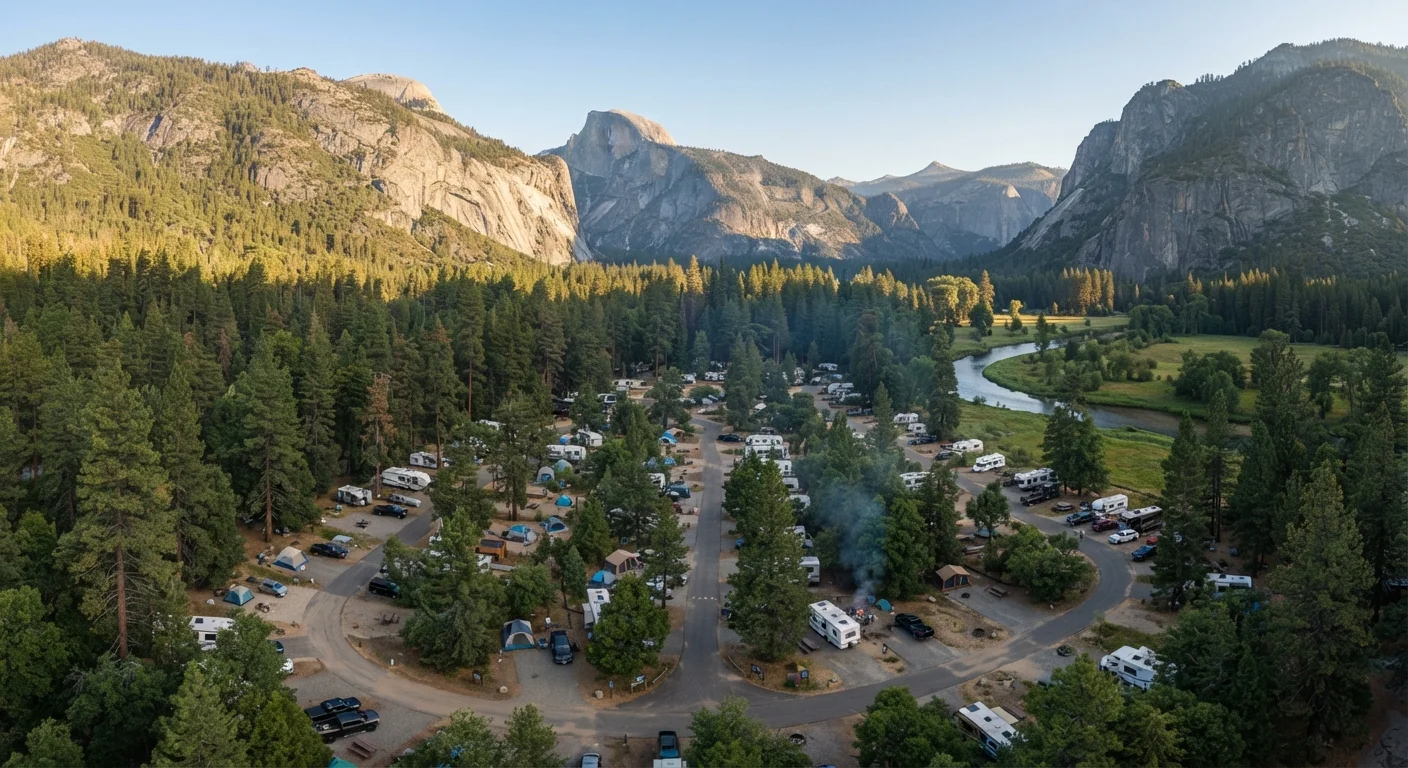
Understanding this matters before you plan. If you're targeting a campground at Yosemite Valley, Yellowstone's Madison loop, or Zion's Watchman campground, a reservation is nearly essential from late spring through early fall. Knowing the exact release date for your intended nights — and being logged in with payment ready — is the practical difference between securing a site and spending the trip in a nearby town.
For a broader orientation to park logistics, see our guide to what first-time national park visitors actually need to know.
When Walk-In Camping Is Realistic
Walk-in (or first-come, first-served) sites do exist at many parks, but their availability varies dramatically by location, day of week, and season. A midweek arrival in May or October at a less-trafficked campground — say, in Canyonlands or Great Basin — gives a reasonable chance of snagging an open site. Arriving Friday afternoon at a park like Olympic or Rocky Mountain in July with no reservation is a different story.
Check Cancellation Queues for Popular Campgrounds
Fully booked campgrounds sometimes free up sites due to cancellations, especially in the days before a stay. Checking Recreation.gov frequently — or setting up alerts through third-party notification services — can surface openings that weren't available at initial release. Cancellation windows and fees vary, so review the specific campground's policy before booking.
Some parks deliberately hold a portion of campsites back from the reservation system to keep options open for travelers who can't plan far ahead. These release daily, often at a set hour, and can be claimed online or in person at the campground host station. Knowing whether your target park does this — and at what time sites post — is worth checking directly on Recreation.gov or the park's official NPS page before you travel.
Common misconceptions about national parks include the belief that walk-in camping is always available if you arrive early enough — in peak season at high-demand parks, that's rarely the case.
How Demand Shifts by Season
Campground pressure follows visitor volume, which is itself shaped by school calendars, weather, and regional traditions. A few consistent patterns emerge across most parks:
- Summer (June–August): Peak demand at nearly every park. Reservations fill months in advance. Walk-in availability is rare at popular sites. Some parks implement timed-entry permits layered on top of camping reservations.
- Shoulder seasons (April–May, September–October): Weather is often excellent and crowds thin considerably. Reservation windows are easier to navigate, and walk-in odds improve meaningfully. This is when flexibility pays off.
- Winter: Many campgrounds close entirely due to snow, frozen water lines, or road closures. Parks that stay open — like Joshua Tree or Saguaro — may see looser reservation requirements, but facilities are often limited.
Desert Southwest parks follow a different rhythm. Zion, Bryce, Arches, Canyonlands, and the Grand Canyon each have distinct peak periods — Zion, for example, draws heavily in spring and fall, while Grand Canyon South Rim stays busy almost year-round.
Misjudging the timing of a park visit is one of the most common trip-planning errors — and campsite access is often the first casualty.
First-Come, First-Served Site
A campsite that cannot be reserved in advance and is assigned to whoever arrives first. These sites may fill quickly at popular parks, especially on weekends and in peak season.
Rolling Reservation Window
A booking system in which sites open for reservation a fixed number of days before the stay date — for example, exactly six months out — rather than releasing all dates at once.
Timed-Entry Permit
A separate authorization, distinct from a campsite reservation, that controls when visitors may enter a park or corridor. Some parks require both a timed-entry permit and a campsite reservation.
Shoulder Season
The period between peak and off-season travel — typically spring and fall — when crowds are lighter, prices may be lower, and campsite availability is generally better.
Concessionaire Campground
A campground within or adjacent to a national park that is operated by a private company under a government contract. These may use separate reservation systems from Recreation.gov.