

Key Takeaways
High-Mileage Vehicle
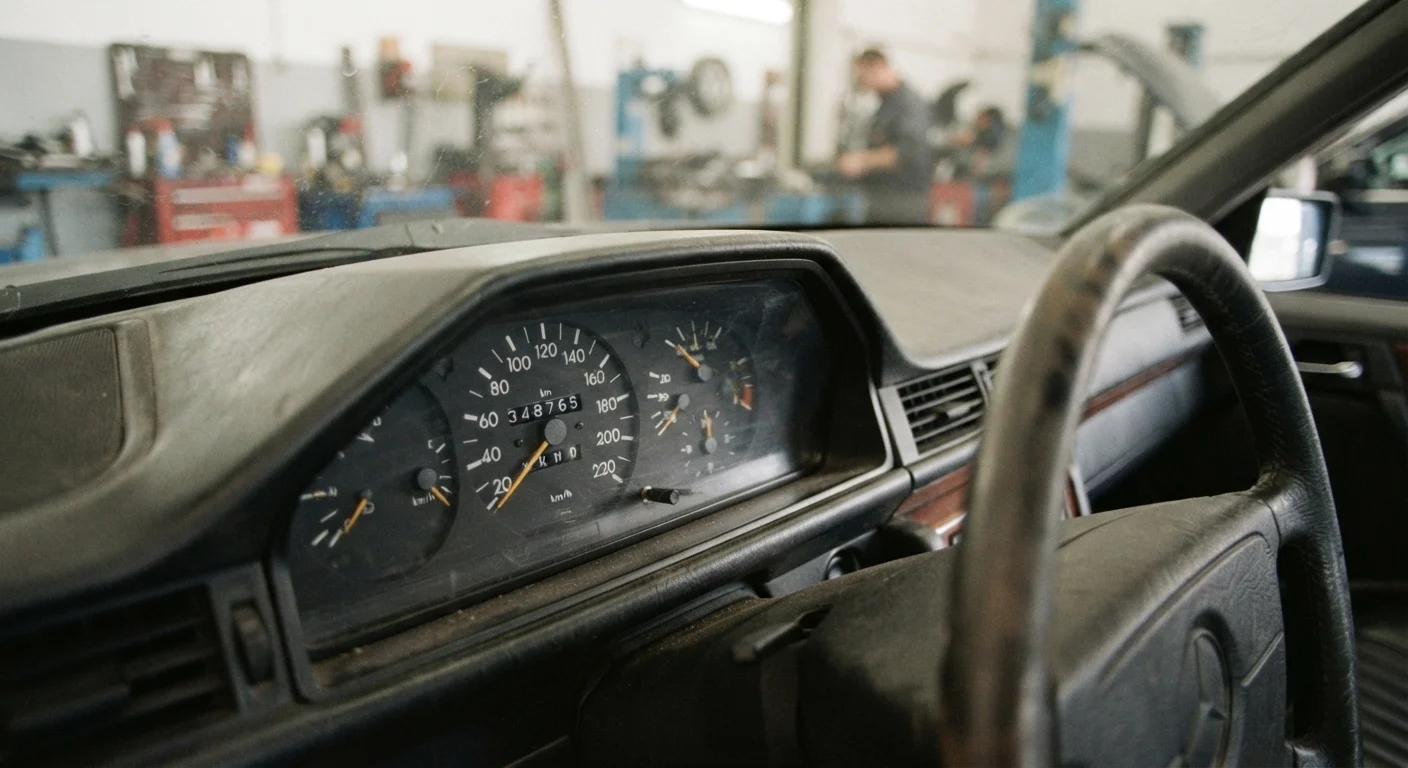
A high-mileage vehicle is generally considered to be one with more than 100,000 miles on its odometer, though this threshold has shifted as modern manufacturing has improved durability. The mileage number alone reflects how far a car has traveled - it does not reveal how well it was maintained, what conditions it operated in, or which safety-critical components are still in good working order.
Odometers measure cumulative distance driven; they do not record idle time, towing loads, short-trip frequency, or deferred maintenance - all of which affect mechanical wear independently of mileage.
Why Mileage Is a Starting Point, Not a Verdict
When evaluating a vehicle's safety and reliability, the odometer is a convenient but incomplete data point. It records cumulative distance - nothing more. Two vehicles showing identical mileage can be in dramatically different conditions depending on how they were driven, where they were driven, and whether maintenance was performed consistently.
A car used primarily for steady highway commuting accumulates miles quickly but places modest stress on the drivetrain. Conversely, a low-mileage vehicle used only for short urban trips may have suffered repeated cold starts, brake cycling, and incomplete warm-up cycles that accelerate component wear in ways the odometer never captures.
Understanding what the odometer cannot tell you is the foundation of safer high-mileage vehicle ownership. The systems most likely to affect safety - brakes, tires, steering, and structural components - deteriorate based on a combination of mileage, time, load, and care. Evaluating any of these through mileage alone is misleading.
200,000+
Miles many modern vehicles can reach with proper care
Automotive engineers and industry analysts broadly note that improved manufacturing tolerances and synthetic lubricants have extended typical vehicle longevity well beyond earlier norms.
~6 years
Recommended maximum tire age regardless of tread depth
Tire industry guidelines and many vehicle manufacturer recommendations advise replacing tires older than six years due to rubber compound degradation, even when tread appears adequate.
2-3 years
Typical brake fluid replacement interval by time
Many manufacturers specify a time-based brake fluid service interval because the fluid absorbs moisture regardless of how much the vehicle is driven.
Time-Based Degradation: What Age Does Regardless of Miles
Several vehicle components degrade on a calendar schedule regardless of how seldom a car is driven. Rubber compounds harden, crack, and lose elasticity when exposed to heat cycles, UV light, and ozone over years - not just over miles. This affects coolant hoses, brake lines, serpentine belts, CV axle boots, and door seals.
Brake fluid is hygroscopic, meaning it absorbs moisture from the air over time. As water content increases, the fluid's boiling point drops - potentially causing brake fade under hard braking even in a low-mileage vehicle that's several years old. Most manufacturers recommend evaluating or replacing brake fluid every two to three years regardless of mileage.
Tires also carry age ratings. Even a tire with acceptable tread depth can be unsafe if it's more than six years old, because the rubber compound degrades internally. You can check the manufacture date using the DOT code stamped on the sidewall. For more on reading tread depth and spotting wear, see our guide to tire maintenance.
Check the Tire DOT Code Before Assuming Safety
The four-digit code at the end of the DOT number on a tire sidewall indicates the week and year of manufacture. For example, '2319' means the tire was made in the 23rd week of 2019. Tires older than six years should be evaluated by a tire professional even if tread depth seems fine.
Maintenance History: The Record That Actually Predicts Reliability
A vehicle's service history is the closest thing available to a health record for a car. It reveals whether oil was changed consistently, whether timing belt service was completed on schedule, and whether known issues were addressed promptly or ignored. This information predicts future reliability far more accurately than the odometer.
Maintaining thorough service records benefits both the current owner and any future buyer. When evaluating a high-mileage vehicle - whether purchasing it or assessing one you already own - look specifically for evidence of timing belt replacement, brake system work, transmission service, and coolant flushes. These are the intervals most commonly deferred and most consequential when neglected.
For vehicles without documentation, the absence of records doesn't mean maintenance wasn't done - but it does mean you're operating without confirmation. In that case, a qualified mechanic's inspection becomes essential. A dashboard warning light may surface some issues, but many developing problems - worn brake pads, a marginal battery, low coolant - won't trigger a light until the situation is already serious.
Safety-Critical Systems to Inspect on Any High-Mileage Vehicle
Regardless of the odometer reading, certain systems warrant close attention on any older vehicle:
- Brakes: Pad thickness, rotor condition, and brake fluid quality all affect stopping performance. Brake hoses can swell or degrade internally without obvious exterior signs.
- Tires: Check both tread depth and age. Uneven wear patterns can indicate alignment or suspension issues that also affect handling safety.
- Battery: High-mileage vehicles often have aging batteries. Cold weather accelerates failure. Load testing a car battery is the most reliable way to assess its remaining capacity before it leaves you stranded.
- Belts and hoses: Timing belts and serpentine belts carry both mileage and age replacement intervals. A failed timing belt on an interference engine can cause catastrophic internal damage immediately.
- Engine oil condition: Dark, gritty, or milky oil tells a story about engine health that goes beyond just needing a change. Checking oil condition yourself between service visits is a low-effort safety habit.
“The mileage on the odometer is really just the beginning of the conversation. What matters is whether the car was maintained - and whether the right things were done at the right intervals.”
— Automotive Service Excellence (ASE), National certification body for professional automotive technicians
This article provides general automotive information for educational purposes. For maintenance decisions specific to your vehicle, consult a qualified mechanic and refer to your owner's manual.