

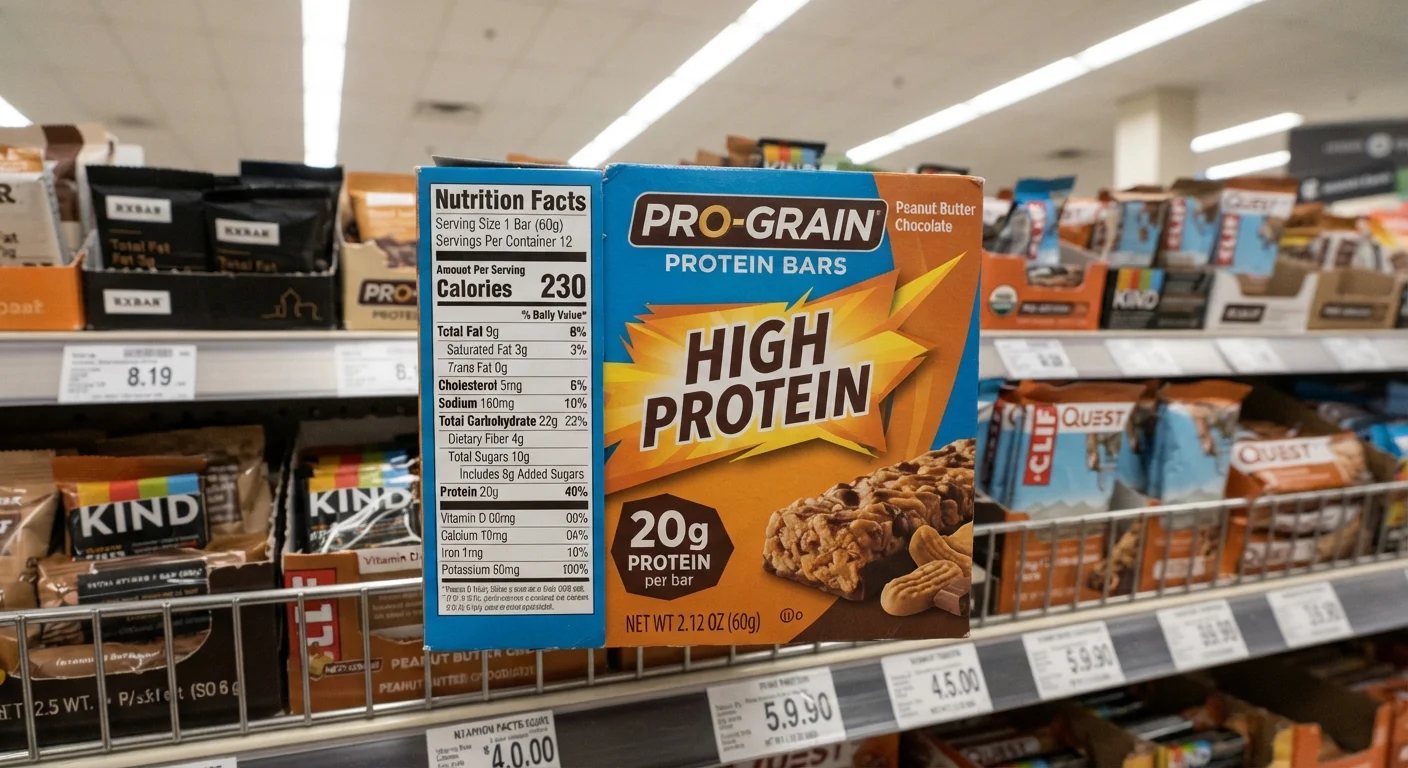
Key Takeaways
High Protein Claim
A 'high protein' claim on a food package is a regulated term governed by the U.S. Food and Drug Administration (FDA). To legally use this label, a food must provide at least 20% of the Daily Value (DV) for protein per serving. A related but weaker term, 'good source of protein,' requires at least 10% of the DV per serving.
The FDA's protein DV is set at 50 grams per day for adults and children four years and older, based on a 2,000-calorie diet. Critically, the DV percentage on the label must be calculated using a corrected value that accounts for protein quality - known as the Protein Digestibility Corrected Amino Acid Score (PDCAAS).
The FDA Rules Behind the Label
When you pick up a package that shouts 'high protein' in bold type, that phrase isn't just marketing language - it's a regulated nutrient content claim governed by the FDA's food labeling rules (21 CFR Part 101). The agency sets specific thresholds that manufacturers must meet before they can use those terms.
Here is how the hierarchy works:
- Good source of protein: The food must provide 10-19% of the Daily Value (DV) for protein per serving.
- High protein / Excellent source of protein: The food must provide 20% or more of the DV per serving.
The DV for protein is 50 grams per day for adults and children aged four and older, based on a 2,000-calorie reference diet. That means 'good source' requires at least 5 grams of quality-adjusted protein per serving, while 'high protein' requires at least 10 grams.
One important nuance: a manufacturer can list protein grams on the Nutrition Facts panel as a straight factual disclosure without ever meeting these thresholds. The regulated claim lives on the front or side of the package, not inside the panel itself. This distinction matters when you're comparing products side by side. For related label literacy, see our guide to nutrition label red flags.
20%
Daily Value threshold for 'high protein' claim
Per FDA nutrient content claim regulations (21 CFR Part 101), a food must supply at least 20% of the protein DV per serving to use this term.
50g
FDA Daily Value for protein (adults)
The FDA sets the protein Daily Value at 50 grams per day for adults and children four and older, based on a standard 2,000-calorie diet.
10%
Minimum DV for 'good source of protein'
Foods must provide at least 10% of the protein Daily Value - roughly 5 grams, quality-adjusted - to carry this lower-tier regulated claim.
Why Protein Quality Changes the Math
The FDA doesn't just count grams - it requires that the protein DV percentage be corrected for protein quality using the Protein Digestibility Corrected Amino Acid Score (PDCAAS). This score measures how completely a protein supplies the essential amino acids humans need, adjusted for how much of it is actually absorbed.
Animal proteins like eggs, dairy, and meat typically score near 1.0 (the maximum) on the PDCAAS scale, meaning their full gram count translates almost directly to the DV percentage. Many plant proteins - such as those from wheat or rice - score lower, so their effective contribution to the DV can be meaningfully less than their raw gram count suggests.
In practice, this means two products both listing '10g protein' on their panel could have very different % DV figures once quality correction is applied. A product built on egg white protein might qualify as a 'good source,' while one relying solely on a lower-scoring plant protein might not - even at the same gram count.
For a deeper look at how animal and plant proteins compare on bioavailability and amino acid completeness, see what nutrition science says about plant vs. animal protein.
“Consumers often assume that a larger gram number always means more protein benefit, but the regulatory framework exists precisely because protein quality - not just quantity - determines how much your body actually uses.”
— Marion Nestle, Professor Emerita of Nutrition, Food Studies, and Public Health, New York University
Reading Past the Front Panel
Front-of-package claims are approved marketing tools, not a complete nutritional story. To assess whether a protein claim is meaningful for your diet, use two resources the FDA requires to be present on every packaged food:
- The Nutrition Facts panel: Check both the gram amount and the % Daily Value for protein. If the % DV column shows no value or a dash under protein, the manufacturer has chosen not to make a regulated protein claim - a common sign that the product doesn't meet the thresholds.
- The ingredient list: Ingredients are listed in descending order by weight. If a protein source appears far down the list, the product likely contains less of it than the bold front claim implies. Understanding ingredient list ordering is one of the most effective label-reading skills you can develop.
It's also worth cross-referencing protein claims against other nutrients. A food high in protein but also very high in sodium or added sugars may not be the nutritional bargain the packaging suggests. The same critical eye applies to other common label terms - see how the same issues play out with sodium claims on nutrition labels and low-fat foods that are high in sugar.
Quick Check: Verify the % Daily Value
When evaluating a protein claim, flip to the Nutrition Facts panel and look for the protein % Daily Value. If it's blank or absent, the product isn't making a regulated claim - regardless of what the front of the package says. A filled-in % DV means the manufacturer has calculated the quality-corrected figure and stands behind the claim.